


Federal agents executed a decisive strike against the Mexican Mafia power structure in Southern California. Operation Gangsta’s Paradise delivered 25 arrests in pre-dawn raids across Orange County and parts of Los Angeles County, with 43 total defendants now in custody facing:
- Racketeering
- Murder and kidnapping
- Extortion and drug trafficking charges
Luis “Gangster” Cardenas ran the entire Orange County faction from his cell at Ironwood State Prison. He used contraband cellphones and encrypted apps to issue direct orders for violence, drug distribution, and tax collection on street gangs. Cardenas, already serving life for a prior murder, directed high-ranking associates including Jaime “Junior” Alvarado, Karina Cesena, and Mario “Happy” Flores. These operatives enforced control over Hispanic street gangs, turning neighborhoods into revenue streams for the organization known as “La Eme.”
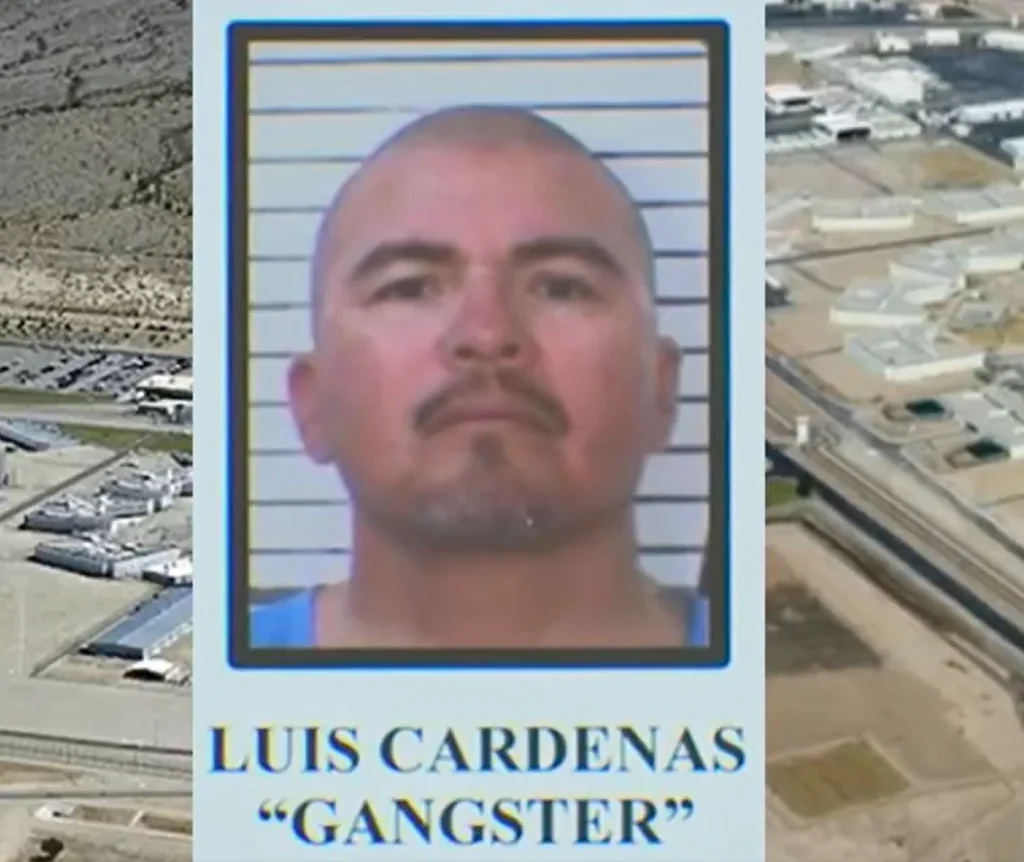
Agents seized 8.8 pounds of fentanyl, 120 pounds of methamphetamine, 25 firearms, and over $30,000 in cash. The operation exposed how the Mexican Mafia operates:
- Illegal gambling dens in strip malls and private homes.
- Extortion taxes collected from “slap houses.”
- Kidnapping and murder deployed against anyone who resists.
One indictment ties the group to a homicide at a gang-controlled Anaheim motel.
This is the Mexican Mafia’s core business model. They sit at the top of the prison hierarchy and dictate terms to street-level gangs across Southern California. Cardenas and his crew funneled fentanyl and meth into communities while using violence to maintain dominance. The drugs come across the southern border in volume. The cash flows back through networks that thrive when enforcement is weak.
🚨 HELL YES! The FBI and DOJ executed an EARLY MORNING RAID to arrest several dozen members and associates of the Mexican mafia in California
— Eric Daugherty (@EricLDaugh) April 23, 2026
Charged for m*rder, kidnapping, trafficking and more
Continue the CRACKDOWN! We voted for this 👏🏻🔥 pic.twitter.com/RV6kbiit4W
The raids targeted Anaheim, Santa Ana, and Lakewood locations. FBI, DEA, and local teams hit 30 sites without incident. Twelve defendants were already locked up. The remaining face federal indictments that lay out years of coordinated crime from inside state prisons outward to the streets. This is not scattered gang activity. This is a structured criminal enterprise with command and control reaching from prison cells to neighborhood blocks.
America First priorities demand secure borders and dismantled cartels inside the country. Open-border policies over the past years flooded the market with fentanyl precursors and finished product. Mexican Mafia networks distribute that poison while politicians in sanctuary jurisdictions tie the hands of local law enforcement. The result is dead Americans and controlled territory inside U.S. cities. Operation Gangsta’s Paradise cuts through that resistance.
Cardenas directed street associates to kidnap and assault resistors at gambling spots that refused to pay taxes. Alvarado oversaw gang-controlled motels and coordinated retaliation. These are the operational details hidden from public view until federal pressure forced them into indictments. The Mexican Mafia does not simply exist in prisons. It projects power onto the streets through layered command structures that exploit lax oversight and contraband phone access.
Federal authorities dismantled a key node in the supply chain. Removing 43 defendants disrupts tax collection, drug movement, and enforcement operations across Orange County. Hispanic street gangs lose their central authority for the moment. That vacuum creates opportunity for sustained pressure if follow-on operations target remaining leadership and financial pipelines.
The intelligence community has long tracked these prison-to-street networks. They intersect with international cartel supply lines:
- Fentanyl precursors arrive through porous borders.
- Distribution routes run through established gang territories.
- Cash returns via bulk transport or layered financial mechanisms.
Every layer benefits from delayed enforcement and political protection in certain jurisdictions. This raid represents direct confrontation with that system.
Multi-agency coordination delivered results. FBI and DEA combined resources with local departments to execute warrants and seize assets. This model counters claims that federal-local partnerships fail against entrenched gangs. When priorities align with public safety over political optics, operations produce tangible disruption. Orange County streets are measurably safer with these figures removed from circulation.
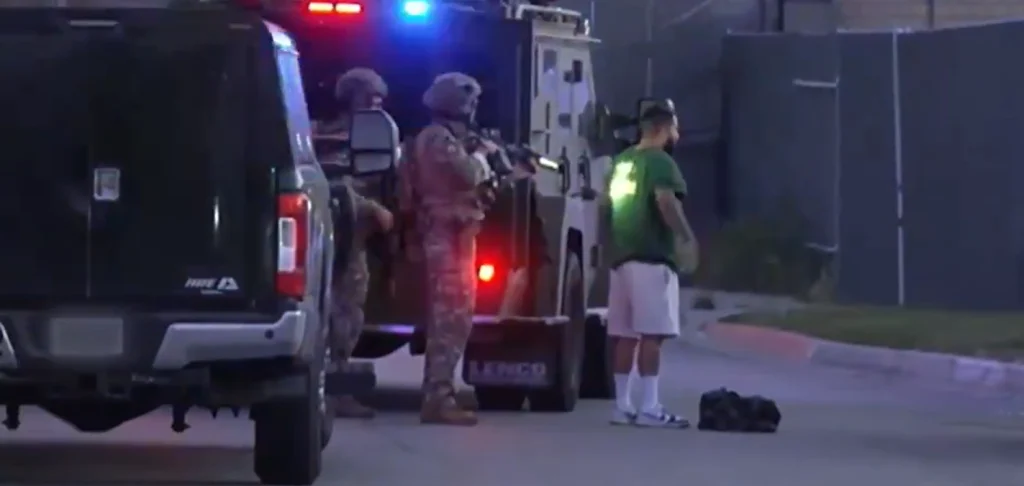
The Mexican Mafia built its empire on control of inmate populations and extension to outside gangs. Cardenas exemplifies the continuity. Incarcerated yet operational through technology available inside facilities. This exposes failures in prison communication monitoring and highlights the need for stricter controls on contraband devices. Without that discipline, prison walls become irrelevant to command authority.
Seized drugs represent thousands of lethal doses removed from circulation. Fentanyl kills at milligram levels. The volume taken here prevents direct harm to users and bystanders in affected communities. Cash and weapons taken limit future operational capacity. These are concrete metrics of success against an organization that treats American neighborhoods as profit centers.
Sustained pressure requires repeated actions against the remaining hierarchy. La Eme adapts. New leaders emerge. Supply lines shift. The response must stay aggressive and target the financial and command infrastructure at every level. America First enforcement rejects any accommodation with organizations that import death and enforce control through murder.
This crackdown confirms federal capability when directed properly. It removes key players who orchestrated violence and addiction for profit. Southern California feels the immediate impact. The message reaches every faction still operating: command from prison no longer guarantees immunity. The structure faces real dismantling.
