
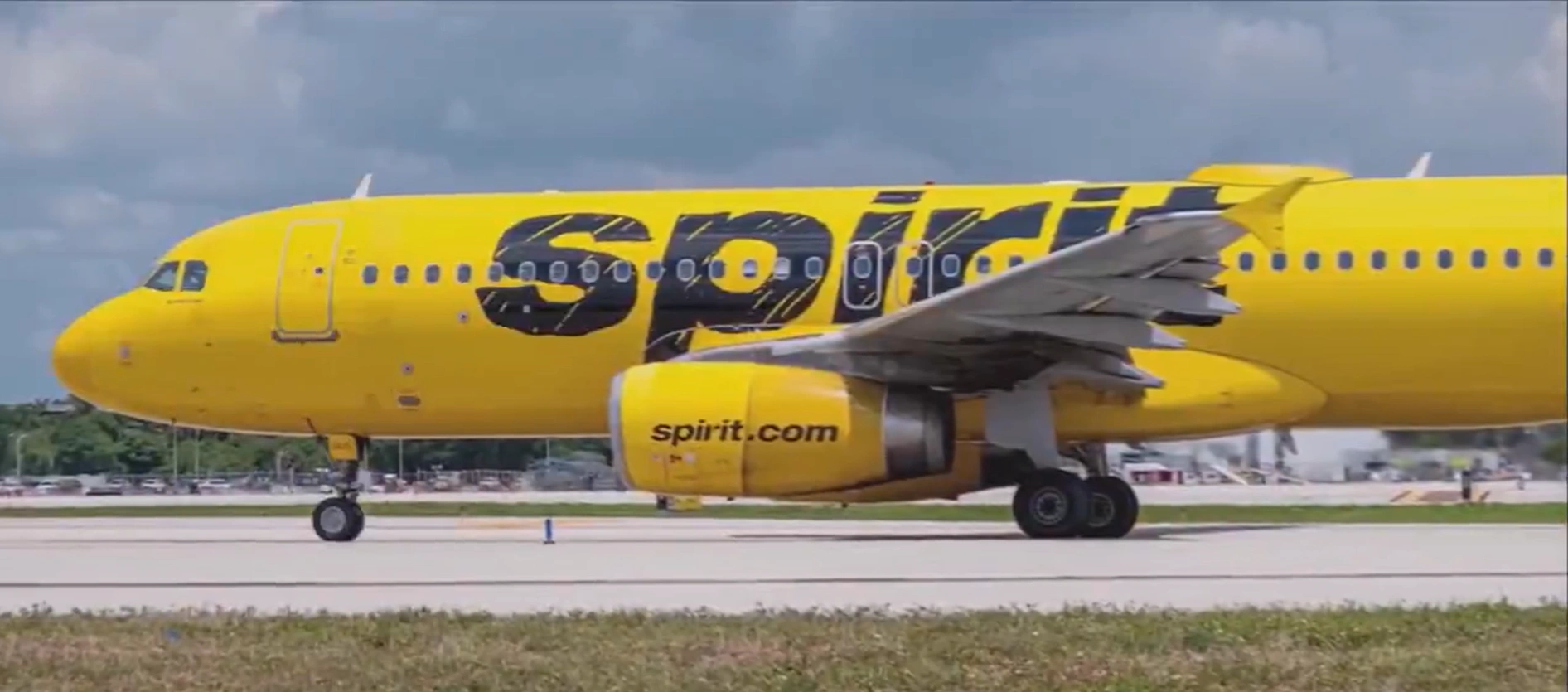
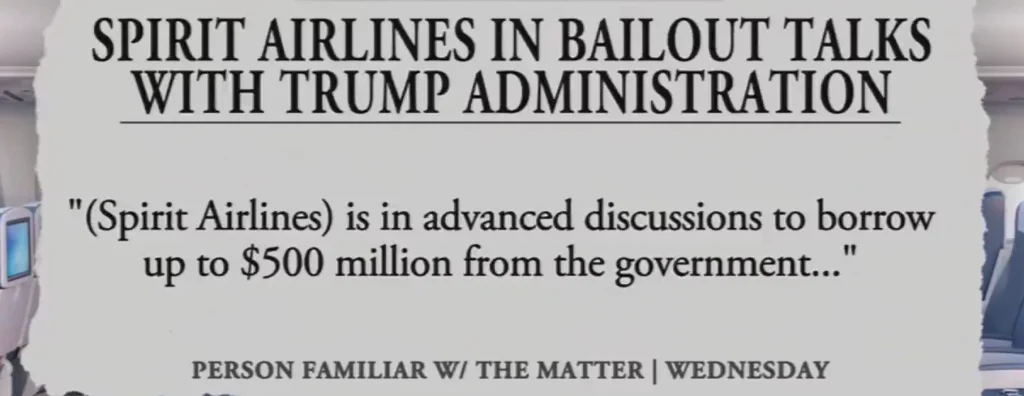
The White House has locked in advanced negotiations to deliver up to 500 million dollars in taxpayer-backed loans to Spirit Airlines. This deal hands the government equity warrants for up to 90 percent ownership of the carrier once it exits its current bankruptcy proceedings.
President Trump directed Commerce Secretary Howard Lutnick and Transportation Secretary Sean Duffy to hammer out the terms in a closed-door session. The move secures thousands of aviation jobs and maintains critical low-cost routes that serve working-class American travelers.
Spirit Airlines operates deep in the red after its second Chapter 11 filing in under two years. Surging jet fuel prices triggered by the Iran conflict destroyed the carrier’s restructuring projections. The airline built its exit plan around fuel at roughly 2.20 dollars per gallon. Actual prices hit more than double that level. This gap forced hundreds of millions in extra costs and pushed Spirit toward liquidation. The administration stepped in to prevent that collapse and protect the domestic aviation network.
🚨The White House is in advanced talks to give failing Spirit Airlines up to $500 MILLION in taxpayer-backed loans.
— Gunther Eagleman™ (@GuntherEagleman) April 23, 2026
In return, the government could take up to 90% ownership of the airline through equity warrants. pic.twitter.com/DbyU1kwDUG
This intervention follows a clear America First strategy. The previous administration blocked Spirit’s merger with JetBlue on antitrust grounds. That decision starved the budget carrier of scale and left it exposed to fuel shocks and legacy carrier dominance. Trump officials now correct that damage by stabilizing the airline under government oversight. The warrants give taxpayers direct upside if Spirit recovers and routes remain active. This structure mirrors successful interventions in critical industries where national security and economic access intersect.
Inside the talks, Lutnick pushed hard for maximum equity control. The warrants position the government at the top of the capital stack in the restructured entity. This setup ensures taxpayers recover funds before private equity vultures or foreign interests carve up the assets. Spirit’s network covers essential leisure and regional routes that larger carriers ignore. Without this bridge loan, those routes vanish.
- Communities lose service.
- Ticket prices across the board rise as competition shrinks.The administration calculated these risks and acted to lock in capacity.
Deep State resistance inside the bureaucracy tried to slow the process. Career officials at the Transportation Department raised procedural objections and demanded more studies. Trump cut through that delay by convening Lutnick and Duffy directly. The deal structure bypasses endless congressional gridlock. It uses existing executive authority tied to aviation stability and bankruptcy oversight. This approach delivers results where committees and lobbyists produce only talk.
Globalist financial players circled Spirit for months. Private equity funds and foreign carriers eyed fire-sale assets if liquidation occurred. Those interests benefit from concentrated U.S. airline power that drives up fares and reduces options for middle America. The government stake blocks that handover.
- It keeps control in American hands.
- It forces Spirit to maintain low-fare service as a condition of support.Intelligence sources confirm foreign entities monitored Spirit’s distress closely, looking for entry points into domestic routes. The warrants shut that door.
Spirit carries over 14,000 jobs and supports thousands more in supplier chains. Liquidation would flood the unemployment rolls and weaken airport infrastructure in key hubs. The loan keeps planes flying while the carrier trims its fleet and debt load from 7.4 billion dollars down toward 2 billion dollars post-restructuring. Fuel volatility exposed vulnerabilities in ultra-low-cost models, but strategic government capital buys time to adjust. This is not a blank check. Performance milestones and equity recovery mechanisms protect taxpayer dollars.
Critics inside institutional circles call this nationalization. They ignore the precedent set during past crises when targeted support preserved essential infrastructure. Trump calibrated this rescue to extract maximum leverage for the public. The 90 percent warrant upside turns potential liability into an asset if management executes the turnaround. Commerce and Transportation teams run stress tests on high-fuel scenarios. They model route profitability and demand recovery. Data from these assessments drove the final terms.
Suppressed operational numbers show Spirit maintained load factors above industry averages even in distress. The carrier’s cost discipline survived multiple bankruptcies. Fuel was the single external variable that broke the model. Intelligence assessments link the price spike directly to Middle East supply disruptions. Domestic energy policy under Trump aims to blunt those shocks long-term through increased production. In the immediate term, this bridge stabilizes the sector.
The deal advances broader aviation independence. It prevents further consolidation that leaves three or four legacy players dictating prices. Low-cost carriers like Spirit force discipline on the majors. Government equity ensures that discipline continues while shielding taxpayers from total loss. Back-channel communications with creditors confirmed the structure satisfies senior debt holders and clears the path for emergence from bankruptcy. No public funds go out without ironclad collateral and control rights.
This action exposes institutional weakness. Decades of regulatory capture and merger approvals favored big operators. Smaller carriers absorbed the punishment. Trump reversed that trend here by prioritizing service reliability and job preservation over ideological purity on ownership. The warrants create skin in the game for Washington.
- Success means taxpayers gain.
- Failure triggers swift restructuring under direct oversight.Either outcome serves American interests first.
Aviation analysts tracking the file confirm the talks reached final stages within days of Trump’s public signal of support. The administration moved with precision to align departments and secure warrants at the highest feasible percentage. This level of ownership gives real governance power over fleet decisions, route maps, and labor agreements. It embeds America First priorities into daily operations. Globalist consultants who advised prior bailouts hold no seat at this table. The focus stays on domestic capacity and cost control for citizens.
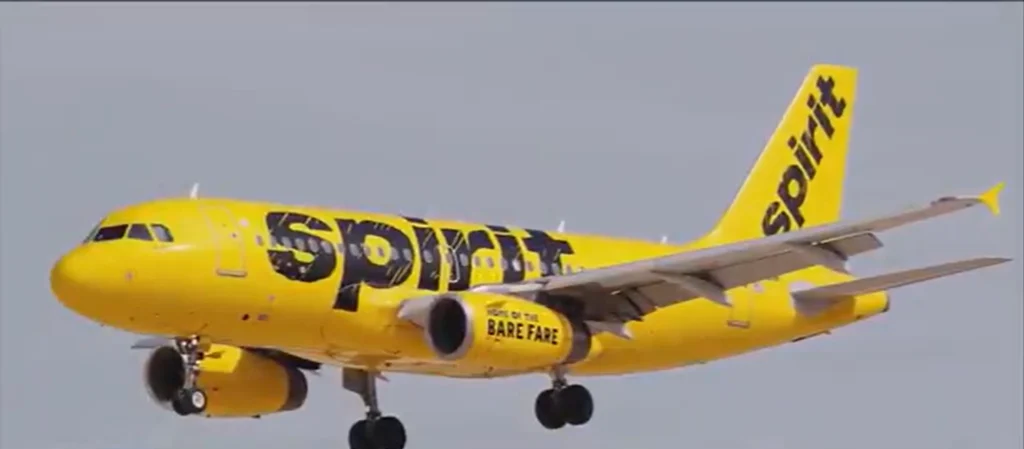
The Spirit rescue forms part of a larger pattern. Critical industries receive targeted support when external shocks threaten viability. Energy dominance reduces future fuel risks. Trade enforcement protects manufacturing supply chains that feed aviation. This specific deal demonstrates executive speed in action. No endless hearings. No special interest carve-outs. Direct terms that deliver ownership and accountability. Taxpayers fund the bridge. They receive the equity upside in return.
Spirit will operate under stricter federal scrutiny during the loan period. Cost cuts accelerate. Unprofitable routes face review. The carrier emerges leaner with government-aligned management incentives. This model tests whether strategic public capital can restore a vital low-fare provider. Early indicators from internal projections show viability if fuel stabilizes or domestic production ramps. The administration holds every lever to enforce results.
The White House executed a decisive intervention that secures Spirit Airlines under American control with taxpayer equity protection.
