

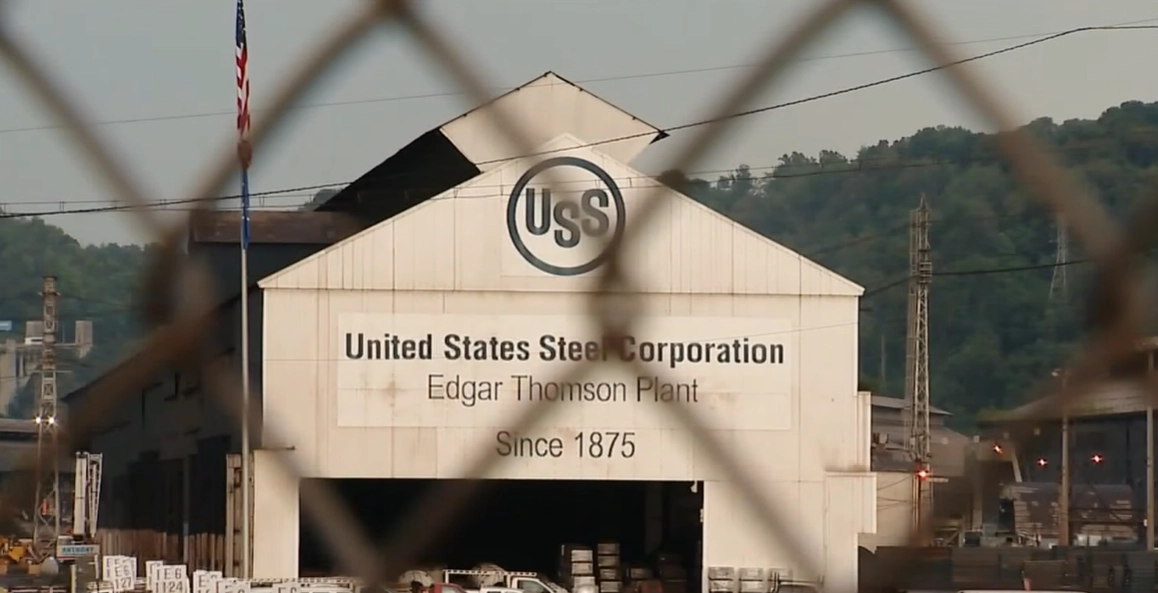
U.S. Steel restarts the tin mill at its Gary Works facility in Gary, Indiana. The company idled the operation in late 2022 after cheap foreign imports flooded the market and domestic demand collapsed. Production resumes in early 2027. The restart brings back 225 jobs, including direct production roles and 15 United Steelworkers union leadership positions. Nippon Steel funds the $15 million to $20 million reactivation through maintenance, equipment inspections, material procurement, and workforce preparation.
This decision delivers concrete results from sustained pressure on unfair trade practices. Foreign steel, especially subsidized tin mill products from China, Taiwan, and Turkey, destroyed American capacity four years ago. U.S. Steel and the United Steelworkers filed antidumping and countervailing duty petitions on April 9, 2026, targeting those exact imports with margins up to 1,077 percent on Chinese material. The restart happens because market conditions now allow domestic production to compete when trade enforcement kicks in.
- Food and beverage packaging
- Aerosol containers
- Oil filtration systems
- Critical supply chains for American manufacturing and agriculture.
Gary Works stands as one of the largest integrated steel facilities in the country, with capacity for 7.5 million tons of steel per year. The tin mill forms a key part of that complex. Idling it in 2022 cost 244 workers their jobs and handed market share to overseas producers who operate without the same labor, environmental, or regulatory costs American plants carry.
🚨 TRUMP HAS STUNNED THE "EXPERTS" AGAIN!
— Eric Daugherty (@EricLDaugh) April 20, 2026
US Steel is officially REOPENING its tin mill at Gary Works, Indiana — which got "indefinitely idled" under Biden due to foreign imports
LFG! 🔥
US Steel CEO David Burritt: "This strengthens national security, economic security, job… pic.twitter.com/wYPFTlcXmy
Those imports undercut prices, forced shutdowns, and weakened the entire domestic tinplate sector. The restart reverses that damage. It restores American-made supply for essential end markets and reduces reliance on foreign sources that expose U.S. food security and industrial chains to external shocks.
The move ties directly to the completed partnership with Nippon Steel. The deal closed in 2025 after strategic review and a national security agreement that includes a U.S. government golden share for veto power on key decisions and commitments to keep majority American control and leadership.
- $11 billion in total investments across U.S. Steel operations by 2028.
- $3.1 billion targeted at Gary Works upgrades.
- Operational control that prioritizes U.S. production.
The tin mill reactivation represents the first visible payout from that capital inflow. Nippon executes the spending on restart costs while the facility stays under this structure, which channels foreign capital into American assets without ceding strategic command.
Donald Trump shaped the environment that makes this restart possible. His administration enforced trade remedies, reviewed the Nippon transaction, and secured the national security agreement that unlocked the investment. Tariffs and import restrictions from the first term, extended and strengthened in the current one, raised the cost of dumping and created breathing room for domestic mills. The antidumping petitions filed in April build on that foundation. When foreign producers face real penalties for subsidies and below-cost sales, U.S. facilities regain viability. The Gary tin mill reopens because those policies shifted the economics back toward American steelworkers and engineers.
Local impact hits hard in Northwest Indiana. The 225 jobs deliver stable, high-wage employment in a region hit hard by previous mill idlings and manufacturing losses. Families gain income security. Union representation ensures negotiated protections and training programs. Gary residents sit first in line for these positions through coordinated workforce development with state and local agencies. The restart signals that production capacity returns to the heartland instead of staying shuttered while imports fill the gap.
Broader supply chain effects matter. Tin mill steel protects food cans, aerosol packaging, and industrial filters.
- Strengthens resilience against global disruptions.
- Reduces dependence on overseas suppliers.
- Meets growing demand for mined-melted-and-made-in-America material.
Domestic production protects against trade wars, shipping delays, or foreign policy shifts. Every ton rolled at Gary reduces dependence on overseas suppliers who answer to governments hostile to U.S. interests. The restart positions U.S. Steel to meet growing customer demand for reliable material during annual contract cycles. Sustained orders will keep the lines running beyond the initial ramp-up.
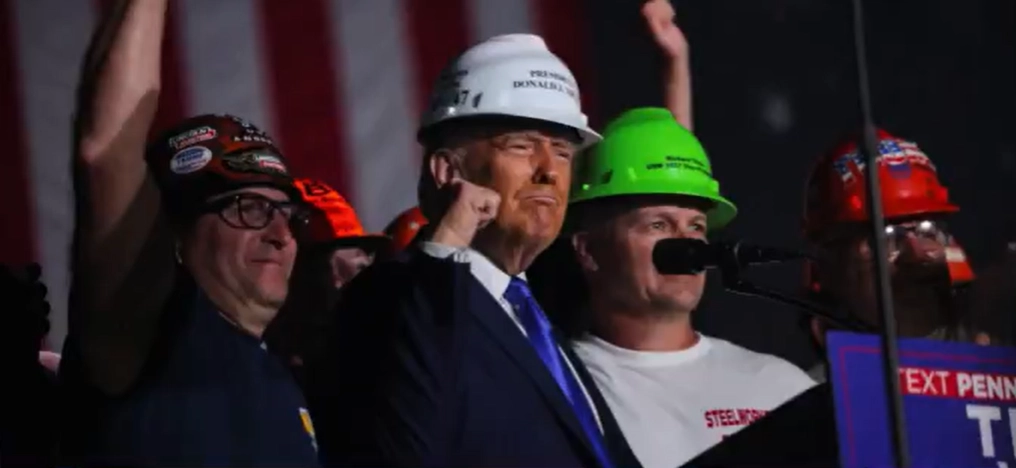
Deep state resistance and globalist trade policies caused the original 2022 idling. Decades of weak enforcement let state-backed foreign steel overwhelm U.S. markets. Environmental rules, union contracts, and energy costs burdened American producers while competitors received subsidies and ignored standards. The result was predictable: mills closed, communities suffered, and critical industries faced supply risks. The current restart exposes that failure. It shows what happens when America First priorities replace open-border trade dogma. Investment flows back. Jobs return. Production capacity rebuilds.
Nippon executes its role as partner under strict U.S. oversight. The golden share and governance requirements prevent any erosion of national control. American citizens hold leadership positions. Investments target domestic upgrades, including blast furnace relines and other Gary Works enhancements already underway. The tin mill forms one piece of a larger modernization plan that keeps U.S. Steel competitive in high-value products. This partnership advances American steel strength rather than hollowing it out.
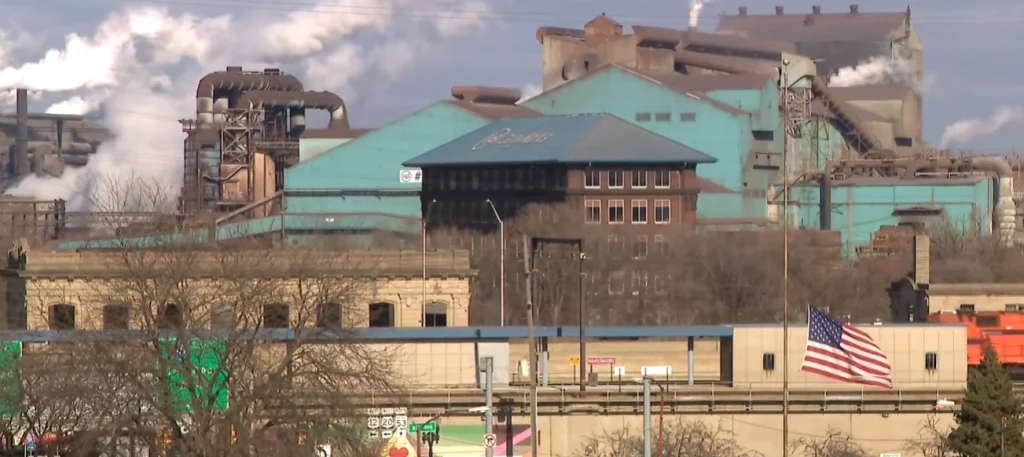
The timeline locks in results. Maintenance and procurement finish over the coming months. Workforce training aligns with union involvement. Full operations start early 2027. That schedule matches customer contracting needs and allows time for trade cases to produce enforceable duties. If import pressure eases through penalties or negotiations, the mill stays online. Customer commitment to long-term domestic supply determines sustained output.
This restart delivers measurable progress against institutional decay in American manufacturing. Foreign imports no longer dictate which U.S. facilities operate. Strategic capital from the Nippon deal, channeled through Trump-era deal terms, reactivates idled assets. Steelworkers in Gary return to work producing material that supports core U.S. industries. The tin mill runs again because policies prioritized domestic production over globalist fantasies. American steel gains ground. Supply chains tighten. The Gary Works complex strengthens as a pillar of industrial power.
The decision cements a shift in how steel capacity decisions get made in this country. Power structures that once favored cheap imports and offshored production now face pushback through tariffs, duties, and investment mandates that keep control onshore. U.S. Steel executes the restart on American soil with American labor and American oversight. The 225 jobs mark real recovery in a sector long targeted for managed decline. Gary, Indiana, sees production restart where decline once dominated. Domestic tin mill output rises. Foreign dependence falls. This outcome flows from deliberate strategy that puts the U.S. industrial base first and forces the system to deliver results.
