
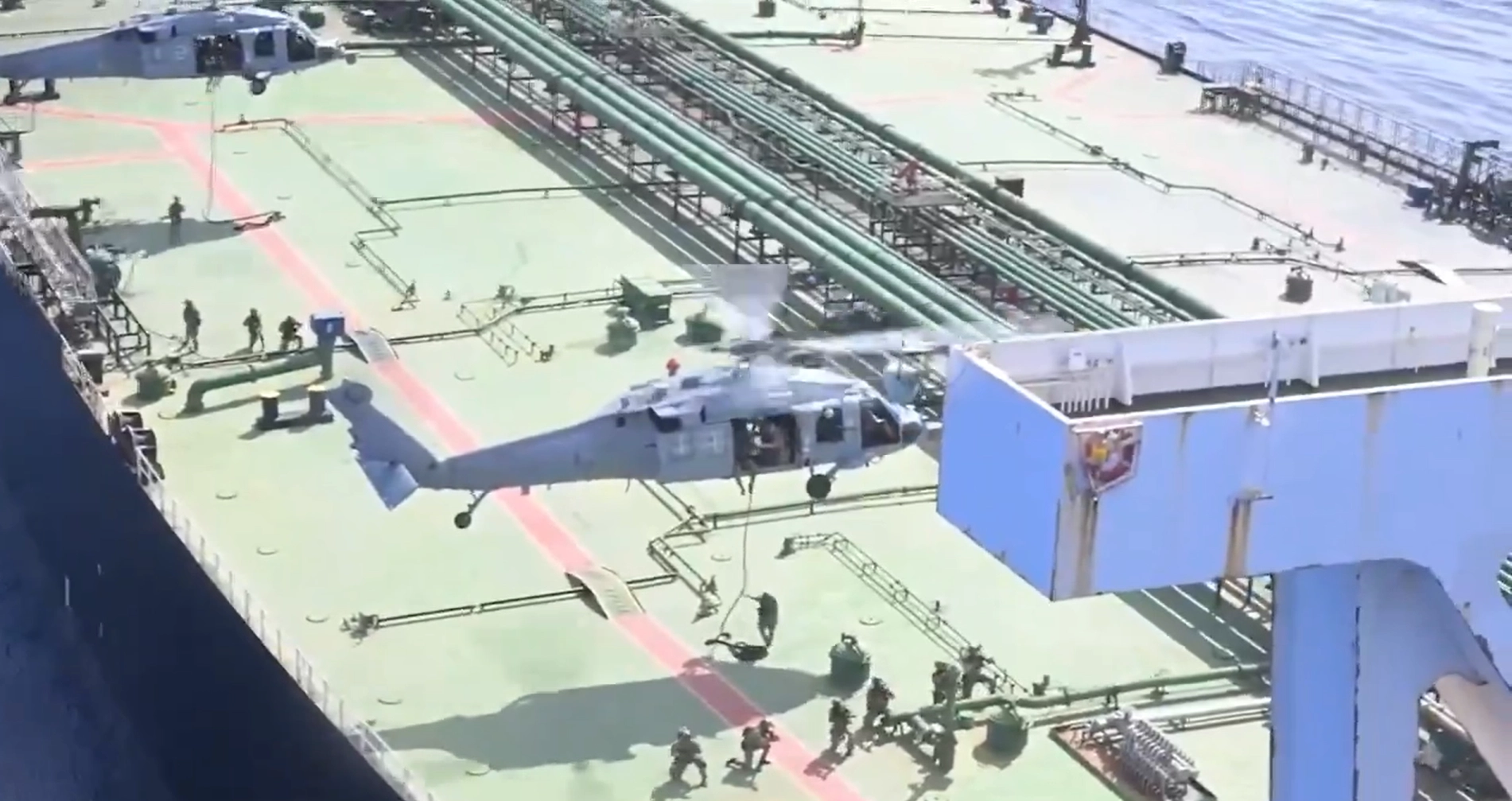
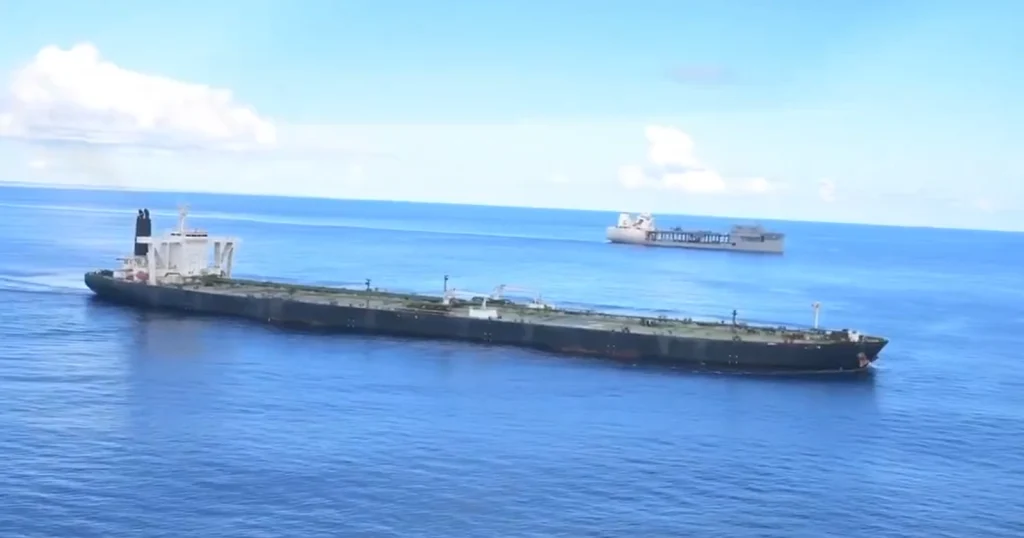
U.S. forces executed a precise maritime interdiction and right-of-visit boarding on the sanctioned stateless vessel M/T Majestic X in the Indian Ocean inside the INDOPACOM area of responsibility. The ship carried Iranian oil in direct violation of sanctions. This operation shut down another link in the illicit network funneling cash to the Iranian regime.
The boarding team secured the vessel without incident. They confirmed the cargo and the ship’s stateless status, which operators use to dodge accountability. International waters offered no protection. U.S. naval assets now control the Majestic X and will redirect or seize its cargo under established enforcement protocols.
This strike forms part of the Department of War’s systematic campaign to deny sanctioned actors freedom of movement across the oceans. The department maintains constant surveillance on vessels tied to Iran, North Korea, and their proxies:
- Every tanker, every route, every shell company gets tracked.
- The Majestic X represents one node in a larger web that moves hundreds of millions in illicit revenue to Tehran each month.
- That money funds weapons programs, terror proxies, and direct threats to U.S. forces and allies.
Intelligence from multiple agencies pinpointed the Majestic X weeks before the boarding. Operators monitored:
- Its loading at an Iranian port, its AIS manipulation, and its attempt to blend into commercial traffic.
- The vessel flew no flag, carried falsified documents, and relied on the assumption that vast ocean spaces equal safety.
That assumption ended when U.S. forces acted.
Globalist interests and previous administrations allowed these networks to expand. They treated sanctions as suggestions rather than hard barriers. Iran perfected ship-to-ship transfers, flag-hopping, and shadow fleets to keep oil flowing. The result was steady funding for attacks on shipping lanes, missile development, and enrichment activities that edge closer to nuclear breakout. This administration closed those gaps with enforcement that previous leaders avoided.
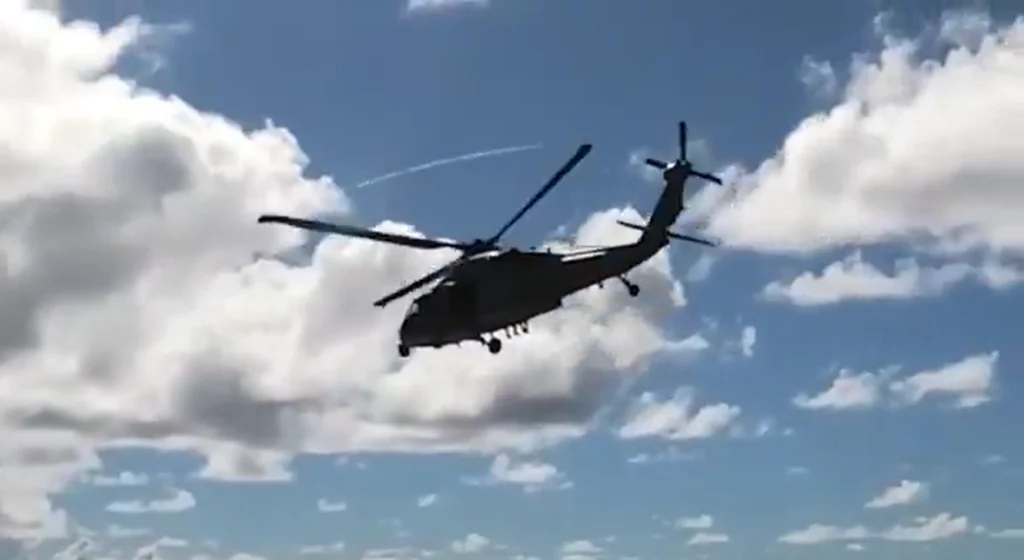
Overnight, U.S. forces carried out a maritime interdiction and right-of-visit boarding of the sanctioned stateless vessel M/T Majestic X transporting oil from Iran, in the Indian Ocean within the INDOPACOM area of responsibility.
— Department of War 🇺🇸 (@DeptofWar) April 23, 2026
We will continue global maritime enforcement to… pic.twitter.com/SWF6Jt9Ci4
The operation sends a direct message to every captain, every broker, and every regime partner: the United States controls the maritime domain when American security demands it. No hiding behind “international norms” that only protect adversaries. No more free passage for cargo that strengthens enemies.
INDOPACOM assets executed this mission with speed and professionalism, demonstrating restored operational focus on real threats instead of bureaucratic distractions.
Iranian oil sales sustain the regime’s military and terror apparatus. Every barrel interdicted reduces their operating budget. The Majestic X carried tens of thousands of barrels. Multiply that across similar vessels and the financial pressure becomes decisive. Tehran feels this loss immediately in procurement channels and proxy payments.
Allied navies and partners received briefings on the action. Some cooperate quietly while publicly staying neutral to protect trade ties. The United States leads regardless. Unilateral enforcement in key chokepoints and open ocean remains the standard. The Department of War coordinates with Treasury sanctions teams, intelligence fusion centers, and commercial satellite providers to maintain persistent coverage. This is integrated power projection, not isolated incidents.
The stateless designation of the Majestic X confirms deliberate evasion tactics:
- Owners register vessels in obscure jurisdictions or operate without registry to avoid liability.
- U.S. forces cut through that legal fog with boarding authority rooted in sanctions law and national security imperatives.
The vessel now sits under American oversight pending final disposition of cargo and hull.
This interdiction aligns with the broader strategy to dismantle Iran’s economic lifelines. Oil exports form the regime’s primary hard currency source. Disrupt that flow and internal pressures mount on leadership in Tehran. Proxy militias receive less funding. Missile and drone production slows. Nuclear ambitions face resource constraints. The United States applies this pressure consistently across theaters without seeking permission from international bodies that routinely shield bad actors.
Naval commanders in INDOPACOM maintain heightened readiness for follow-on operations. Additional vessels tied to the same networks operate in the region. Surveillance continues. The next boarding will follow the same pattern: identification, interception, and enforcement. Operators understand the rules of engagement and execute them without hesitation.
The American public sees the result in reduced threats from Iranian-backed disruptions in global energy markets. Stable shipping lanes protect U.S. economic interests. Energy prices stay insulated from regime-orchestrated spikes. This enforcement restores deterrence that eroded under prior leadership.
The Majestic X boarding marks another successful denial of maneuver to sanctioned actors. The Department of War will sustain this pressure until illicit networks collapse under the weight of consistent interdiction. No safe passage exists for Iranian oil or any other sanctioned cargo in waters where U.S. forces operate.
