

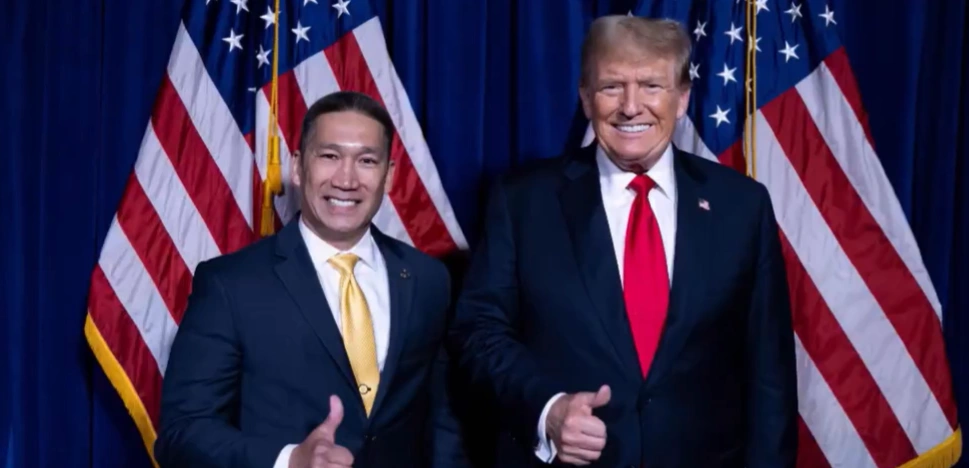
Navy Secretary John Phelan is out of the Trump administration effective immediately. Pentagon spokesman Sean Parnell confirmed the departure on social media Wednesday evening. Undersecretary Hung Cao steps in as acting secretary. Phelan lasted 13 months in the job.
He entered as a billionaire financier and major Trump campaign donor with no prior military experience. His exit marks the first service secretary to leave during this term and fits the pattern of rapid Pentagon leadership changes under Defense Secretary Pete Hegseth.
The move stems from repeated clashes inside the building. Phelan pushed hard for massive new shipbuilding programs, including:
- A so-called Trump-class battleship
- The broader Golden Fleet initiative
Those plans demanded huge budget increases and fast-tracked contracts. Hegseth and Deputy Defense Secretary Steve Feinberg rejected the pace and scale. They demanded tighter control over costs and timelines while the Navy executes the ongoing blockade of Iranian ports amid the Iran conflict. Phelan’s approach created friction at the exact moment the Pentagon needs unified execution on fleet readiness and combat operations.
🚨 JUST IN: Navy Secretary John Phelan is DEPARTING the Trump administration, effective immediately, per the Pentagon
— Nick Sortor (@nicksortor) April 22, 2026
Undersecretary HUNG CAO has now stepped into the role as Acting Secretary of the Navy
Cao is a true, communist-hating PATRIOT 🇺🇸 pic.twitter.com/Yv7U7brH7c
This is a direct power consolidation at the top of the defense structure. Hegseth installed loyal operators who prioritize results over legacy programs or personal alliances. Phelan’s billionaire background and direct access lines created parallel power centers that undermined the chain of command. The Trump administration does not tolerate divided authority when American naval power projects force against adversaries like Iran. The blockade operation requires precise coordination between civilian leadership, admirals, and operational commanders. Any drag from internal disputes gets eliminated.
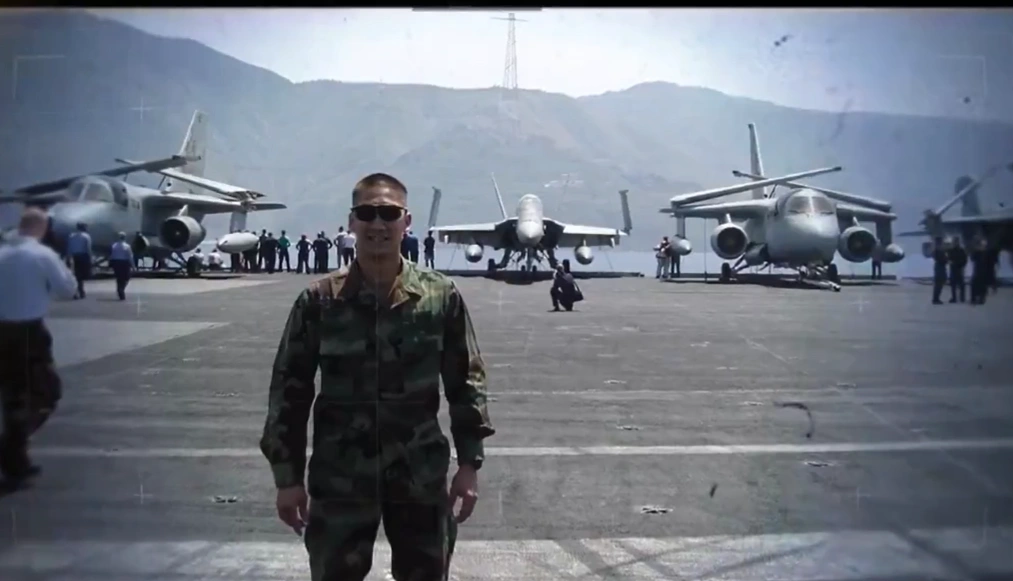
Hung Cao now runs the Navy on an acting basis. Cao brings 25 years as a Navy veteran, combat experience, and alignment with the current leadership direction. His elevation signals the shift from donor-class appointees to proven operators who execute America First priorities without distraction. The Navy has suffered years of:
- Shipyard delays and maintenance backlogs
- Readiness shortfalls
The new structure focuses every decision on reversing those failures and expanding combat-capable hulls on accelerated timelines.
Phelan’s departure happens while the fleet maintains pressure on Iranian ports during the ceasefire phase of the Iran war. Timing matters. The administration clears obstacles before Hegseth testifies on the $1.5 trillion defense budget that includes major Navy expansions. No room exists for officials who slow the rebuild of American sea power.

The defense bureaucracy resists every effort to impose accountability and speed. Trump placed Hegseth in charge to break that resistance. Each leadership adjustment removes another layer of institutional inertia. Phelan’s exit is another calculated step in that process. The Navy will now operate under tighter direction from the secretary of defense’s office, with acting leadership that understands both the fleet and the political mandate to restore dominance.
This change strengthens operational focus at a critical hour. The United States cannot project strength globally with divided command or stalled shipbuilding. The Trump administration enforces unity and results.
Phelan is gone because the mission demands it. The Navy moves forward under new hands that deliver exactly that.
