
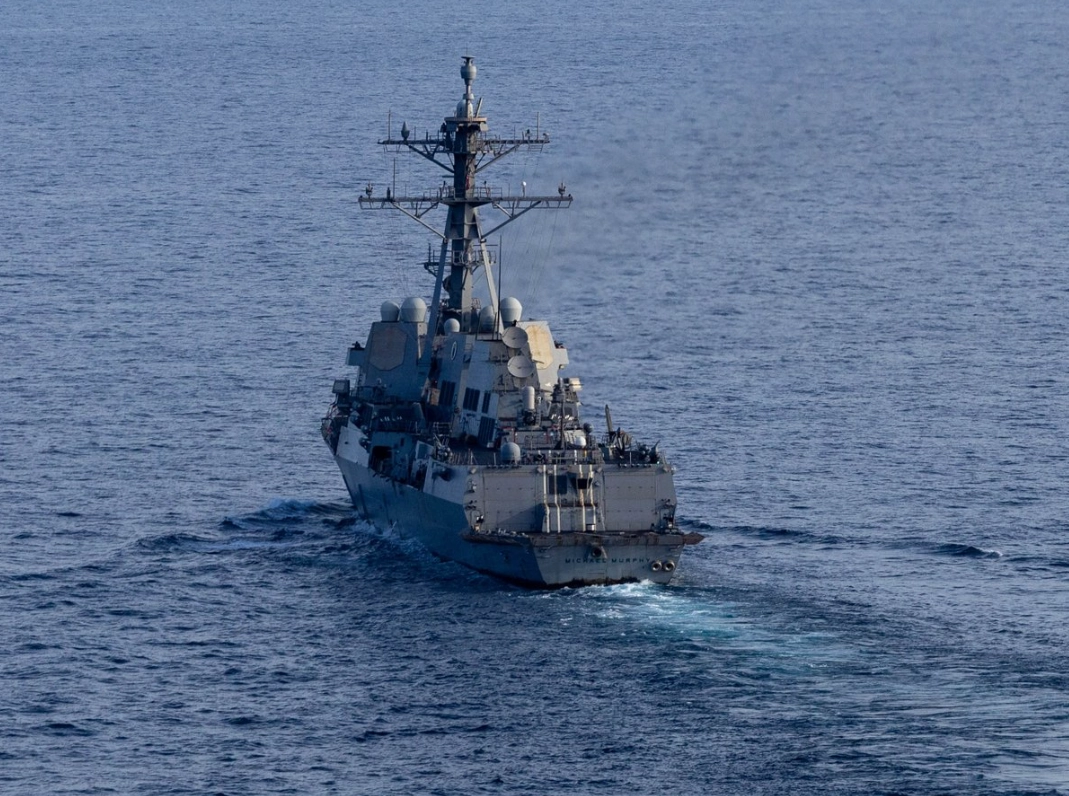
Day 10 of the blockade has Iran choking under direct pressure from U.S. naval and intelligence operations. CENTCOM forces have turned away or blocked 31 ships. Three Iranian oil tankers sit intercepted in Asian waters, far from the Strait of Hormuz. One super tanker carried 2 million barrels of crude. These seizures cut straight into Tehran’s revenue streams and expose the regime’s vulnerability in global supply chains.
Trump controls the timeline. He sets no artificial deadlines. He demands the best deal possible, and right now the United States holds every piece of leverage on the board.
Iranian oil exports fund the regime’s proxy networks, missile programs, and internal security apparatus. Each blocked tanker represents millions of dollars that will not reach Revolutionary Guard commanders or fund attacks on American interests and allies. The super tanker alone equals a major blow. Two million barrels translate into immediate cash flow loss for a regime already strained by sanctions layers built over years. Intelligence sources confirm Iranian ports now face delays and vessel shortages as captains reroute to avoid interception zones. This is not random disruption. This is calculated enforcement of American dominance in maritime security.
🚨 DAY 10 OF THE BLOCKADE — TRUMP HAS IRAN CHOKING:
— Gunther Eagleman™ (@GuntherEagleman) April 23, 2026
CENTCOM confirms 31 ships turned away or blocked, including three Iranian oil tankers intercepted in Asian waters thousands of miles from the Strait of Hormuz. One was a super tanker carrying 2 million barrels of crude.
Trump… pic.twitter.com/pLdjrx9u4k
Trump’s approach shows clear strategic patience. He understands prolonged pressure forces better outcomes than rushed agreements. By extending the blockade without fixed end dates, he signals to Tehran that relief comes only on American terms:
- No concessions on nuclear enrichment.
- No easing of missile development restrictions.
- No tolerance for continued funding of Hezbollah, Hamas, or Houthis.
The intercepted tankers in distant Asian waters prove the operation reaches beyond traditional chokepoints. U.S. assets track Iranian movements across multiple oceans using satellite networks, allied intelligence sharing, and direct naval patrols. This global reach denies Iran any safe passage for its black-market oil trade.
Inside power circles, this blockade connects directly to larger efforts dismantling globalist energy dependencies. Previous administrations allowed Iran sanctions evasion through complex ship-to-ship transfers and shadow fleets. Trump ended that game. The 31 blocked ships include vessels flagged under third countries that once served as cutouts for Iranian crude. CENTCOM operations expose those networks. Intelligence community contacts describe real-time data feeds showing Iranian attempts to disguise cargoes through false documentation and rerouting. Every failed attempt tightens the financial noose.
The economic impact inside Iran builds daily. Oil sales fund roughly 40 percent of the regime’s budget. With tankers seized, refineries face reduced throughput. Foreign buyers in Asia hesitate on new contracts. Currency reserves drop. Black market rial rates shift against the regime. Protests in Iranian cities gain momentum as fuel prices climb and basic goods shortages appear. Trump knows these pressure points. He applies them without hesitation because American leverage rests on energy superiority and naval projection. * Domestic U.S. production remains high. * Strategic reserves stand ready. * Allies in the Gulf coordinate quietly on security measures that complement the blockade.
Deep State elements inside Washington once pushed for engagement policies that funneled money back to Tehran. Those channels now face shutdown. Trump’s team operates outside those old influence networks. Decisions flow from direct assessments of threat levels and economic realities. The blockade forms part of a broader America First realignment that prioritizes U.S. security and economic strength over multilateral concessions.
No more pallets of cash delivered under darkness. No more blind eyes turned to Iranian regional aggression. The intercepted super tanker stands as proof that enforcement happens at every level.
Military coordination behind these operations involves multiple commands. CENTCOM works with Indo-Pacific assets to cover vast distances. Ship interdictions rely on precise intelligence that identifies Iranian-owned or operated vessels regardless of current flags. Boarding teams secure cargoes. Legal teams prepare documentation for asset seizures that funnel proceeds toward victim compensation funds or U.S. operations. This process leaves Iran with zero recourse in international forums they once manipulated.
Trump’s public statements reinforce the strategy. He wants the strongest possible outcome for the United States. That means Iran must:
- Abandon its nuclear ambitions.
- Halt proxy warfare.
- Accept permanent restrictions on its military capabilities.
The current leverage position allows exactly that. Each day of the blockade adds to the accumulated cost for Tehran. Ship owners worldwide now calculate the risk of carrying Iranian crude. Insurance rates spike. Charter contracts dry up. The regime’s revenue projections collapse month by month.
Regional partners watch this play out with satisfaction. Gulf states that endured years of Iranian harassment see American resolve restored. Israeli security improves as Iranian funding lines constrict. European energy buyers quietly diversify away from any residual Iranian supply. The global oil market absorbs these disruptions because U.S. production and allied output fill gaps. No major price shocks hit American consumers. This stability gives Trump room to maintain pressure indefinitely if needed.
Intelligence assessments indicate Iranian leadership now debates internal responses. Hardliners push for escalation through proxies. Pragmatic factions recognize the economic damage may threaten regime stability. Trump does not react to their threats. He maintains course because the blockade works. Thirty-one ships blocked in ten days. Three major tankers seized in distant waters. These numbers will grow as operations continue. The super tanker with 2 million barrels represents the scale of what America can deny Iran on any given transit.
This campaign demonstrates raw power application without unnecessary escalation. U.S. forces operate within established maritime law and national security authorities. Iran chose confrontation through its nuclear program and regional attacks. The response matches that choice with overwhelming maritime control. Trump holds the position of strength. He dictates terms. Tehran feels the chokehold tighten with each passing day.
The blockade enters its next phase with expanded patrols and tighter intelligence coordination. Iran’s options narrow to compliance or continued economic hemorrhage. American leverage remains absolute. The regime in Tehran will bend or break under sustained pressure. This is the direct result of strategic enforcement that puts U.S. interests first.
