

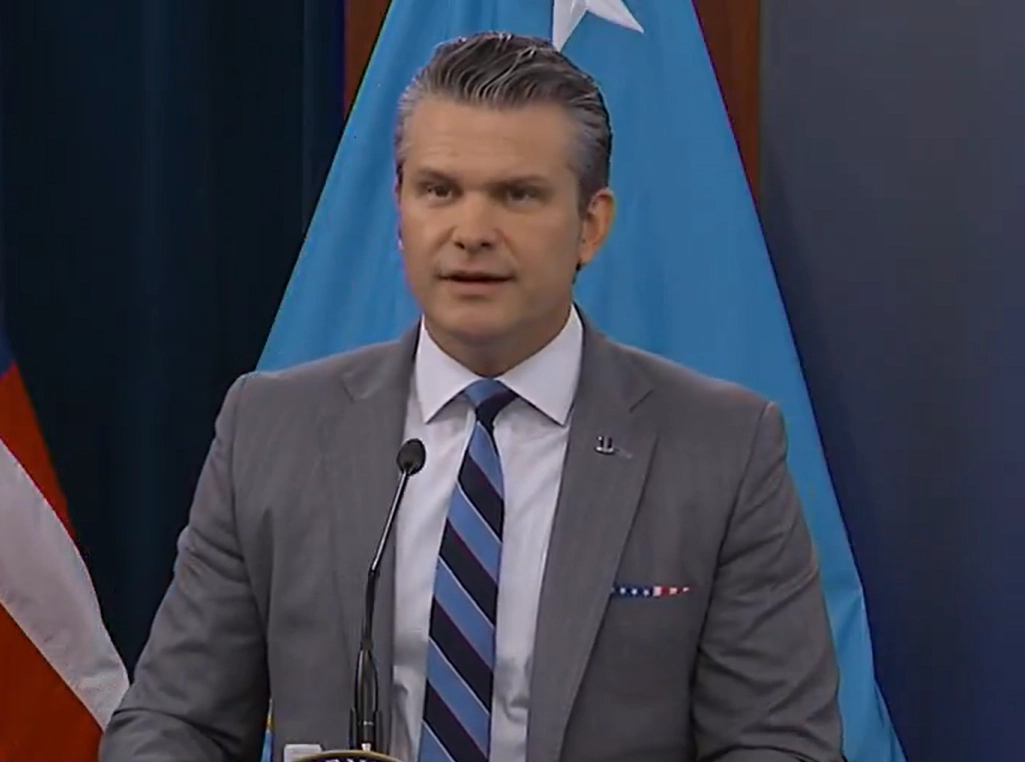
Pete Hegseth delivered a direct strike against America’s so-called allies. As Secretary of War, he declared: “The era of free riding finished.” America and the free world demand allies who deliver capability, loyalty, and mutual effort instead of one-way extraction.
The United States barely relies on the Strait of Hormuz for its own energy flows. Domestic production covers needs and exceeds them. Europe depends on that waterway far more than Washington does. European leaders must stop endless talk at fancy conferences and deploy actual naval assets to secure the passage.
This statement exposes the raw power imbalance that has drained American resources for decades. Globalist structures built after World War II locked the United States into permanent subsidy mode. European capitals spent their budgets on social programs and climate schemes while depending on American naval power to keep oil lanes open. Hegseth ended that arrangement with clear language. The message reached every foreign ministry from London to Berlin. Allies must:
- Contribute real ships, real patrols, and real risk.
- Accept the consequences of their own vulnerability.
Hegseth’s assessment rests on hard operational facts. United States energy independence, achieved through domestic drilling and production surges, removed the strategic necessity that once tied American blood and treasure to every Middle East chokepoint. Iran attempted to shut the Strait through mines and small boat harassment during the ongoing conflict. American forces maintain control and enforce rules of engagement that destroy threats without hesitation. European economies, still hooked on imported oil, face immediate price spikes and supply disruptions from any closure. Their leaders held conferences and issued statements. They sent no meaningful naval presence. Hegseth called that bluff in public.
BREAKING: Secretary of War Pete Hegseth calls out America's allies: "The time for free riding is over."
— Fox News (@FoxNews) April 24, 2026
"America and the free world deserve allies who are capable, who are loyal, and who understand that being an ally is not a one way street."
"We barely use the Strait of Hormuz… pic.twitter.com/o2fCGDq6kP
The deeper play involves control of global energy routes and the institutional resistance to America First priorities. Decades of back-room arrangements funneled American defense spending into protecting trade that benefited foreign competitors more than domestic industry. Intelligence assessments long showed European intelligence services sharing minimal actionable data while extracting maximum protection. Hegseth’s intervention cuts through that layer. The United States Navy set conditions for success in the Strait. Other nations with direct stakes must now commit vessels and crews. The Royal Navy, once a dominant force, received specific mention as capable of stepping forward instead of hiding behind American assets.
This shift aligns with deliberate strategy from the top. President Trump directed naval forces to eliminate mine-laying operations and secure commercial shipping. Hegseth executes that directive while forcing structural change in alliances:
- No more blank checks for European defense budgets that never materialize into fielded capabilities.
- The United States maintains ironclad blockade elements and minesweeping operations.
- Allies who need the Strait open must provide parallel forces or watch their economies absorb the full cost of inaction.
Saudi and Gulf interests also watch this closely. Their oil exports flow through the same route, yet direct military involvement from those quarters remains limited. Hegseth’s words apply across the board.
Operational details reveal the scale of prior exploitation. American carrier groups and destroyer squadrons patrolled the region for years at enormous annual cost. European NATO members consistently fell short of spending targets and capability commitments. Intelligence community reporting documented how those shortfalls translated into American sailors and pilots carrying disproportionate burden. Hegseth terminated the pattern. The Strait situation stems from Iranian responses to direct pressure, yet the security solution now spreads responsibility to those who benefit most from open shipping. Europe imports roughly 20 percent of its oil through that route in normal conditions. Disruptions already drive up fuel prices across the continent. Conferences in Brussels produce nothing but more documents. Hegseth demands boats on station.
The power structure adjustment targets long-term institutional rot. Globalist frameworks preserved European weakness by design, ensuring perpetual dependence on American might. This kept Washington entangled in endless commitments while domestic infrastructure and border security suffered. Hegseth’s public stance broadcasts the reset:
- Loyalty means reciprocal action.
- Capability means deployable assets, not theoretical treaties.
Understanding one-way streets ends when the payer stops funding the ride. American forces operate under clear rules that prioritize mission success and force protection. Any Iranian mine-laying vessel faces destruction. Allies receive the same expectation to contribute.
Further layers connect to suppressed economic data. European energy vulnerability traces directly to policy choices that shut down domestic nuclear and fossil capacity in favor of intermittent renewables and Russian supplies until that arrangement collapsed. American shale revolution created the leverage Hegseth now exploits. Intelligence assessments confirm that sustained closure of the Strait would trigger recessions in import-dependent economies while the United States maintains strategic reserves and diversified sources. Hegseth forces the recognition of that disparity. No more American naval power acting as global welfare for allies who lecture on multilateralism from safe distances.
The statement carries immediate diplomatic weight. Foreign capitals now calculate the cost of continued free riding. NATO mechanisms that once funneled American resources without accountability face pressure for tangible deliverables. Hegseth coordinates with ongoing operations that include minesweeping and threat neutralization. The United States holds the dominant position through superior naval projection and energy posture. Allies must align or accept isolation in their own supply crises. This is coordinated enforcement of mutual interest rather than unilateral subsidy.
Back-channel communications from European defense ministries already show movement toward increased patrols, though public statements lag. Hegseth’s directness accelerates that process. The Royal Navy and other fleets possess the platforms. Deployment decisions rest with political leadership that previously avoided commitment. The message lands as fact:
“America secured the conditions. Partners secure the rest or lose access benefits.”
This confrontation reveals the true architecture of international power. American military dominance combined with energy independence creates leverage points unavailable to dependent economies. Hegseth wields that leverage without apology. The Strait of Hormuz remains a critical artery for global trade, yet American requirements no longer dictate reflexive full-spectrum coverage. European needs drive their required response. Conferences end where naval task forces begin. Loyalty manifests in presence. Capability appears in hulls in the water.
The shift marks permanent change in alliance mechanics. Free riding produced decades of imbalance. Hegseth terminates it through public declaration backed by operational reality. Allies who understand the new terms will deploy. Those who refuse will face the direct consequences of their choices. American forces continue enforcement. The free world adjusts to reality. America leads from strength. Allies now carry their share.
