

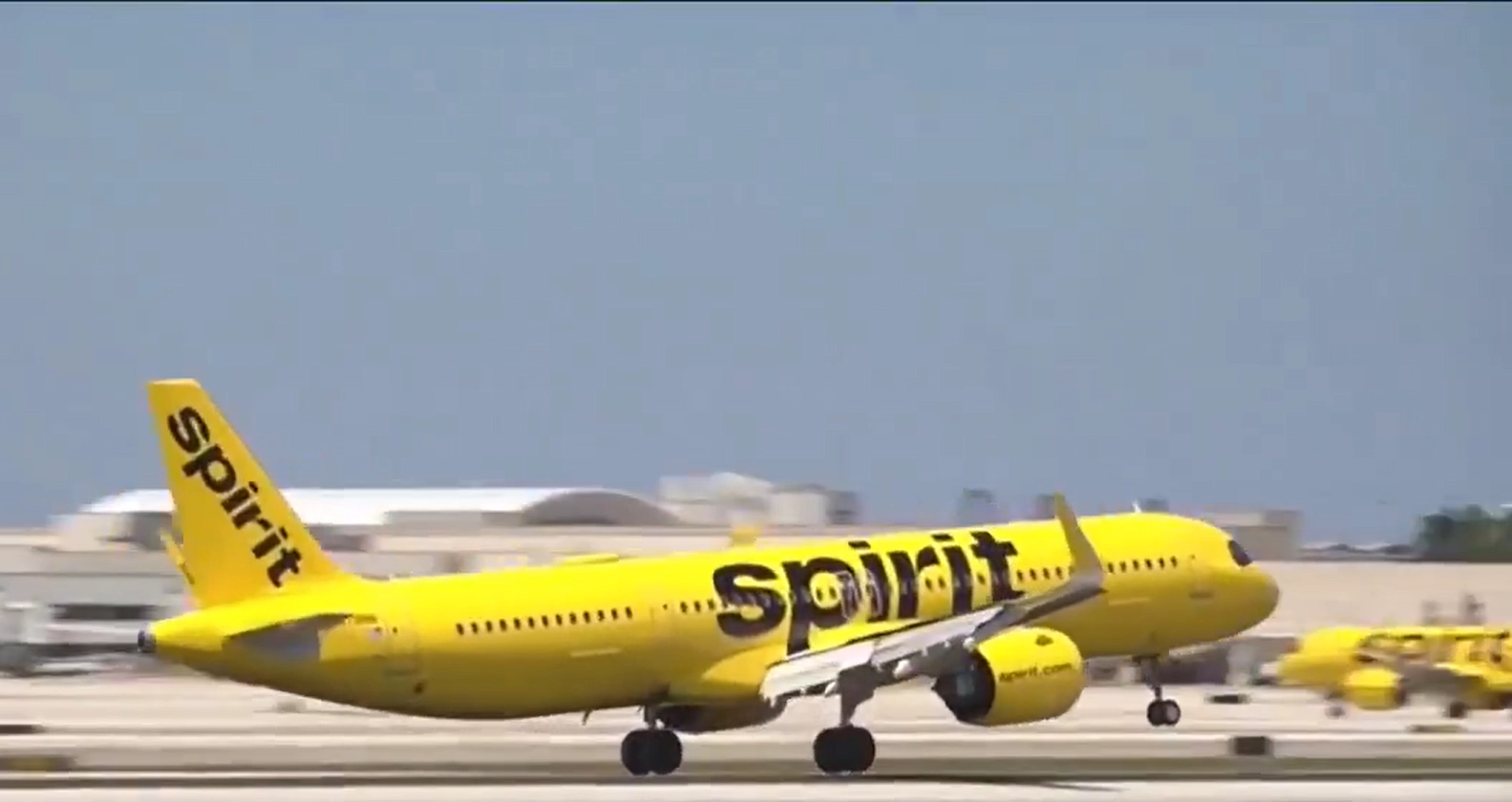
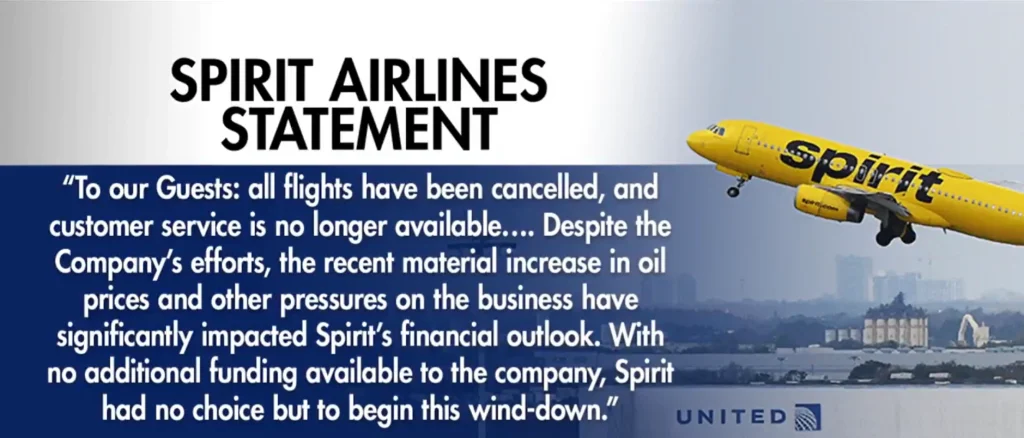
Spirit Airlines shut down operations after 34 years. The carrier ceased all flights early on May 2, 2026, after its second bankruptcy filing and a failed $500 million government lifeline collapsed.
The nickel-and-diming model killed it. Spirit charged for seats, bags, boarding, and every add-on while packing passengers into tight cabins with minimal legroom and no free water.
- Rising fuel costs, stiff competition from bigger carriers, and endless fees eroded the edge.
- The airline entered Chapter 11 twice, first post-pandemic and again in August 2025.
- Debt piled up to over $7 billion before restructuring attempts.
High jet fuel prices from global tensions, especially the Iran conflict, delivered the final blow. Spirit burned cash faster than it could recover. The board met and ended without a rescue path. All flights canceled. Customer service lines went dead. Seventeen thousand employees face immediate job losses. The bright yellow planes that once jammed routes from Fort Lauderdale, Orlando, Detroit, and New York sit grounded.
🚨 IT’S OVER! Spirit Airlines is officially shutting down after 34 years.
— Gunther Eagleman™ (@GuntherEagleman) May 2, 2026
If you ever flew on Spirit, you’re probably wondering how they lasted that long.
Nickel-and-diming passengers for everything from seats to breathing room finally caught up to them. pic.twitter.com/yQI7ivHYkF
Trump administration officials reviewed the bailout request for weeks. The deal required taxpayer exposure for a stake in a shrunken fleet of 76 to 80 aircraft. Trump stated the position clearly:
help only on terms that put America First, not endless subsidies for failing models. The talks stalled because bondholders refused concessions and the numbers did not align with fiscal discipline. No blank check went out. This outcome reflects resistance to propping up an operation that squeezed customers for decades while failing to adapt.
Spirit built its name on ultra-low-cost disruption. It forced legacy carriers to match fares on select routes and proved budget travel could fill planes. Yet the model relied on ancillary revenue that passengers grew to hate.
- Every fee added friction.
- Delayed flights, poor on-time performance, and cramped seats built resentment.
- No merger with JetBlue materialized earlier due to regulatory blocks, leaving Spirit isolated.
The shutdown exposes deeper fractures in the airline sector. Legacy carriers consolidated power. Fuel volatility tied to overseas conflicts hits smaller players hardest. Government intervention in aviation often favors connected interests over pure market outcomes. Spirit’s exit removes one pressure valve for low-income travelers seeking affordable flights. Routes will consolidate under bigger operators who charge more across the board. Passengers holding tickets face rebooking chaos and refund delays under bankruptcy rules.
This closure stands as a direct result of unsustainable operations meeting economic reality. Fees for breathing room, as passengers called it, masked structural weakness for years. Executives pushed the model to the limit while debt mounted and costs rose. The Trump team assessed the request through an America First lens and withheld support when terms failed scrutiny. No rescue materialized because the underlying business no longer worked.
Spirit’s 34-year run ends with an orderly wind-down that leaves stranded passengers and laid-off workers. The ultra-low-cost experiment that reshaped parts of the industry has run its course. Bigger carriers absorb market share. Travelers pay higher effective fares without the old discount option. This is the market correcting a carrier that extracted maximum revenue from minimum service until the math stopped adding up. The shutdown confirms what passengers experienced firsthand: the model had an expiration date.
