

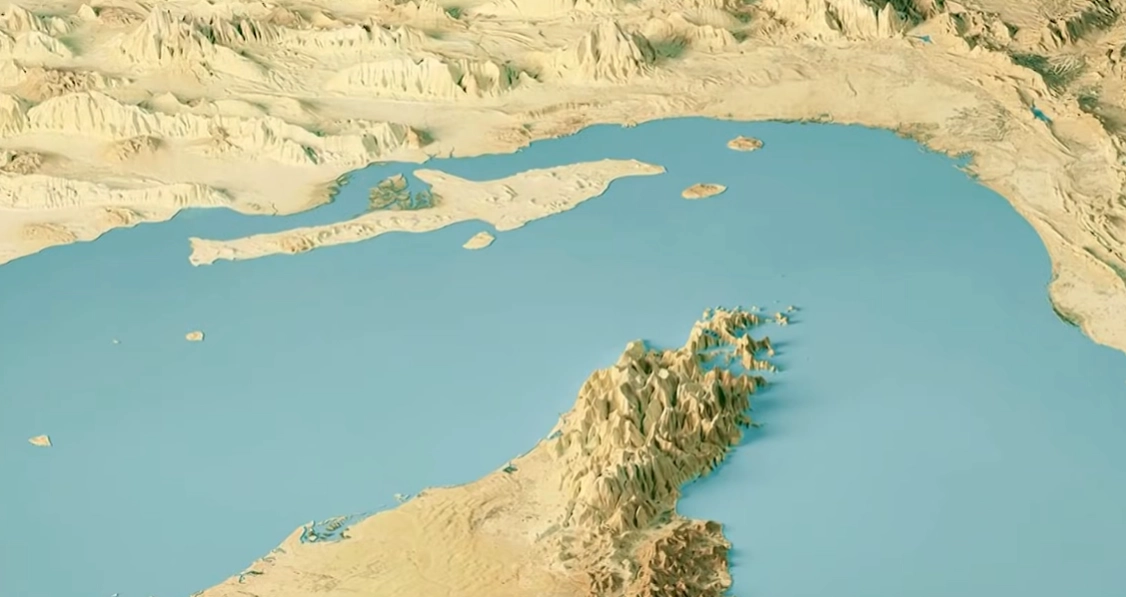
Iran has told President Donald J. Trump the regime stands in a state of collapse. Iranian officials requested the immediate opening of the Hormuz Strait. This marks a complete reversal from their position three weeks ago when they demanded 11 trillion dollars in frozen assets or no deal on any terms.
The Hormuz Strait serves as the critical chokepoint for global oil flows. Over 21 million barrels of oil move through it each day. This volume equals 21 percent of global petroleum liquids consumption. Iran once threatened to close this passage to United States ships permanently. They used it as leverage in their aggression. Today they beg for it to open so they can stabilize their failing leadership structure.
Treasury Secretary Bessent froze Iranian financial accounts across the system. President Trump directed the full sealing of Iranian oil exports through a naval blockade and intensified sanctions enforcement.
- These moves cut off the regime’s primary revenue source.
- The financial blockade delivered decisive pressure.
- It broke the Iranian regime’s ability to sustain operations.
This outcome represents checkmate in the long running confrontation with the Iranian regime. Previous administrations allowed Iran to amass wealth through flawed deals that funneled billions into proxy militias and nuclear ambitions. Those policies strengthened the mullahs and enabled attacks on American interests and allies. Trump implemented America First maximum pressure from day one of his current term. The strategy targeted the economic foundations of the regime without unnecessary ground commitments.
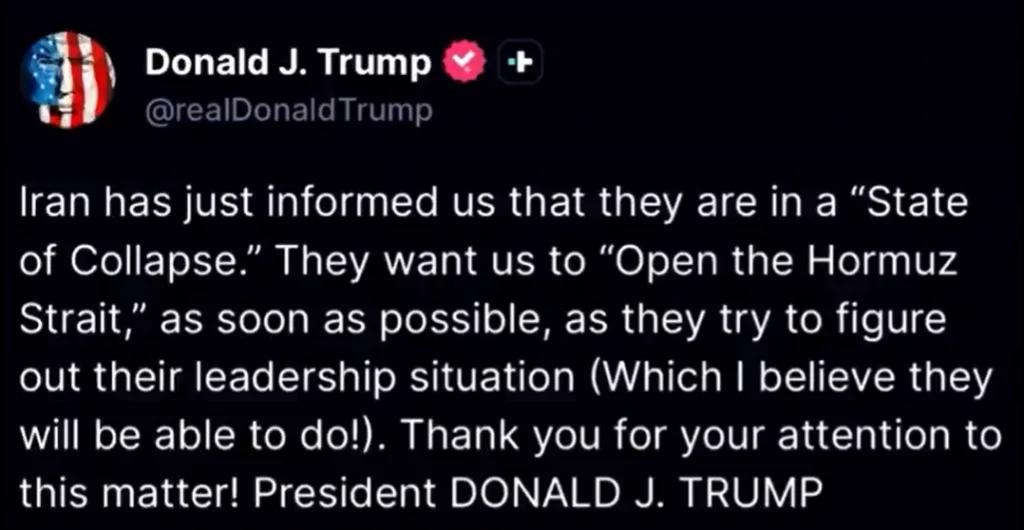
Intelligence sources confirm internal fractures within Iranian leadership circles. The regime faces severe economic contraction. Analysts project a 6 to 10 percent shrinkage in their economy this year alone.
- Inflation has surged beyond 40 percent with food prices doubling and tripling in key categories.
- Oil export revenues, which once funded the bulk of state operations and terror networks, have been severed.
- Storage facilities fill up with unsold crude while production faces shutdown risks within weeks.
The Deep State elements and globalist networks that propped up engagement policies with Iran for decades resisted this pressure campaign. They preferred endless diplomacy that preserved Iranian capabilities. Trump bypassed those institutional obstacles. He coordinated with key regional partners to isolate the regime. The blockade prevented Iranian oil from reaching Chinese and Russian buyers who served as backchannels in past evasion schemes. This dominance of the US financial system and naval presence proved decisive.
BREAKING:
— Merlijn The Trader (@MerlijnTrader) April 29, 2026
🇺🇸🇮🇷 Iran told Trump they are in a "state of collapse."
They want Hormuz open. Immediately.
The same strait they said would never reopen for U.S. ships.
Three weeks ago: "$11 trillion or no deal."
Today: "Please open the strait."
Bessent froze their accounts.… pic.twitter.com/0yrvM79frz
Suppressed operational data reveals the extent of Iranian desperation. Before the latest escalation, the regime relied on shadow tanker fleets and third-party intermediaries to move limited volumes of oil.
- Bessent’s directives eliminated those workarounds.
- Warnings to international businesses and airlines dealing with Iranian entities further tightened the noose.
- No waivers or relief came through.
The policy delivered consistent enforcement that prior leaders lacked the resolve to maintain.
The request to open Hormuz exposes the regime’s vulnerability. They initiated actions that closed the strait expecting to inflict pain on global energy markets and force concessions. Instead the United States turned the pressure back on them with superior execution. Iranian oil now sits idle. Their economy reels from the combined effects of lost revenue and import shortages. Leadership figures scramble to maintain control amid internal power struggles.
This development advances the America First agenda in clear terms. It restores American leverage over critical energy routes. It disrupts funding streams to terrorist organizations funded by Tehran. Hezbollah, the Houthis, and other proxies lose their primary sponsor’s financial support. Regional stability improves as Iranian adventurism faces real consequences.
President Trump has demonstrated strategic precision in handling this crisis. His direct communication of the Iranian admission leaves no room for denial or spin. The regime now negotiates from a position of weakness. They must address their leadership situation while their economic lifelines remain cut.
The financial blockade executed under Trump and Bessent has forced the Iranian regime into submission. American power prevails through economic dominance and unwavering resolve.
