
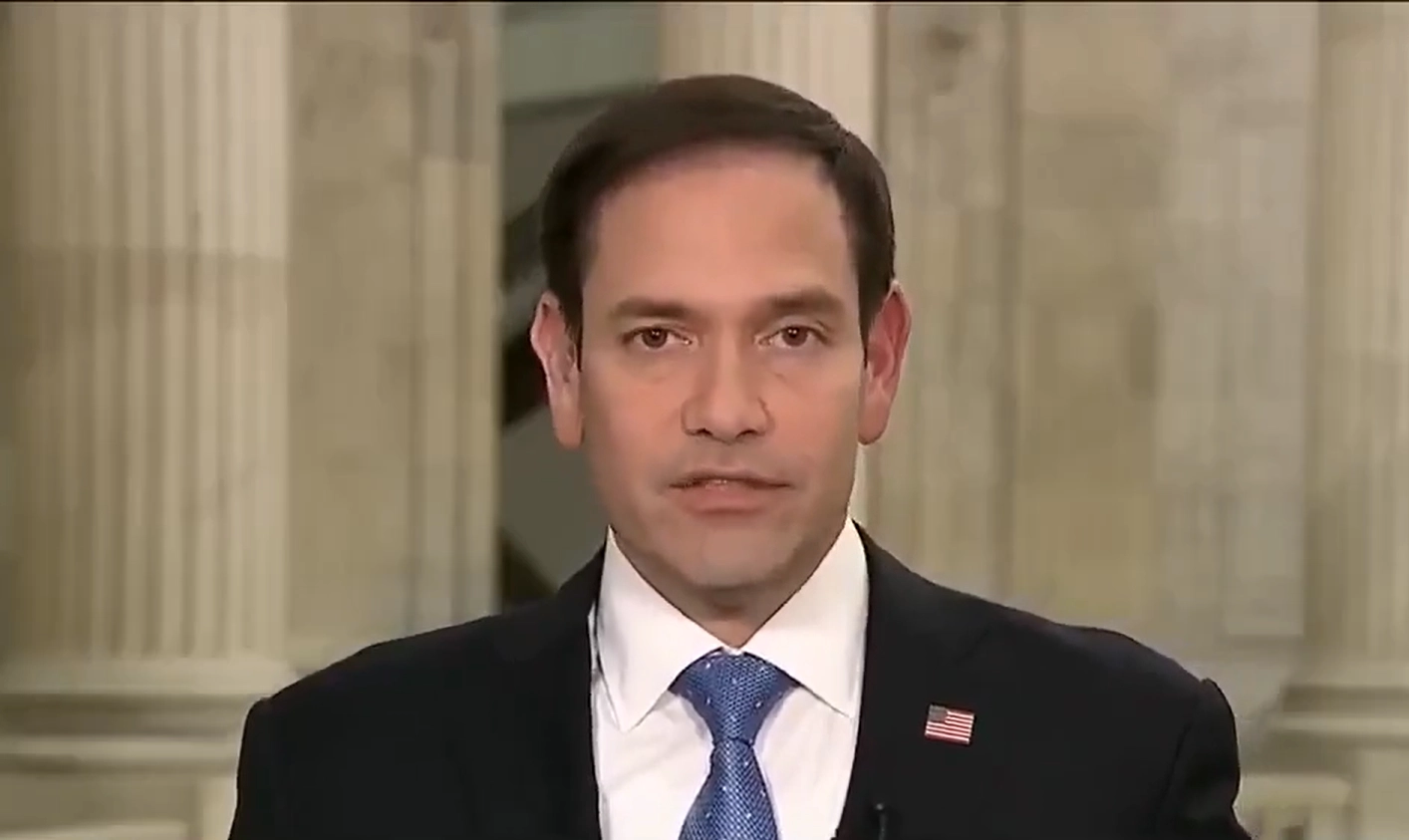
Sec. Marco Rubio delivered a direct rejection to the Iranian Shia clerics demanding control over the Strait of Hormuz. He shut down their latest proposal to reopen the waterway only under Iranian coordination, permission, and payment terms. Rubio stated the facts plainly: Iran cannot set the rules for an international choke point that carries 20 percent of global oil shipments.
This happened on April 27, 2026, after President Trump canceled the latest round of negotiations with Tehran. The clerics floated an offer that kept their grip on the strait. Ships would move only if they coordinated with Iranian forces, secured approval, or paid tolls. Otherwise, threats of attack remained in place. Rubio called it exactly what it is: an extortion racket disguised as diplomacy.
Rubio spoke without hesitation in the Fox News interview.
“They cannot normalize, nor can we tolerate them trying to normalize, a system in which the Iranians decide who gets to use an international waterway, and how much you have to pay them to use it.”
Those words cut through the fog of endless talks that achieved nothing under previous administrations.
The clerics in Tehran built this position over years. They:
- Mined the strait, deployed fast-attack boats, and positioned missiles along the coast.
- Used the waterway as leverage against the world while their own economy collapsed under sanctions and internal mismanagement.
- Funneled cash to proxies in Yemen, Lebanon, and Iraq to harass shipping and distract from domestic failures.
This latest offer shows they still believe they can dictate terms even after direct confrontation with U.S. and allied power.
JUST IN: Sec. Marco Rubio tells the hard headed Iranian Shia clerics to SCREW OFF on their demands to control the Strait of Hormuz
— Jack Straw (@JackStr42679640) April 28, 2026
Marco STANDING FIRM 🇺🇸
“They cannot normalize, nor can we tolerate them trying to normalize, a system in which the Iranians decide who gets to use… pic.twitter.com/bLskC1tcOE
Intelligence sources confirm the Iranian regime faces severe pressure. Oil revenue dried up. Proxies suffered heavy losses. Internal protests simmer. The clerics calculated that dangling partial access to the strait would split the international community and buy time to rebuild their nuclear program. Rubio saw through it immediately. He refused to let them turn a global commons into their private toll road.
This stance aligns with the America First priority of securing energy routes without endless U.S. entanglement. The United States imports very little oil through Hormuz. Europe, Asia, and China carry the heavier dependence. Rubio made clear those nations must share the burden of enforcement. The U.S. Navy maintains freedom of navigation. Allies with skin in the game provide the additional presence required to deter Iranian interference long-term.
Deep State elements in Washington and European capitals pushed for concessions to restart talks at any cost. They feared market spikes and preferred quiet deals that left Iranian capabilities intact. Rubio’s rejection blocks that path. It forces the regime to choose between compliance or continued isolation and pressure. No half-measures. No normalization of Iranian dominance over critical sea lanes.
The Strait of Hormuz connects the Persian Gulf to the Gulf of Oman. Tankers loaded with crude from Saudi Arabia, Iraq, Kuwait, and the UAE pass through its narrowest point daily. Iranian forces closed it during the recent conflict, driving up global prices and exposing vulnerabilities in supply chains. Reopening it under Iranian veto power would hand the regime a permanent economic weapon. Rubio ended that possibility with one statement.
President Trump’s decision to scrap the talks set the stage. Rubio executed the policy with precision. The message to the clerics lands clear:
- Attempts to control international waters end now. * U.S. naval assets and partner forces stand ready to guarantee passage.
- Iran holds no legitimate claim to gatekeep commerce that sustains the world economy.
This rejection exposes the regime’s weakness. The clerics overplayed their hand. They expected the usual cycle of threats followed by Western concessions. Instead they received a firm line from a Secretary of State who understands power realities. No more tribute payments extracted at gunpoint. No more pretending a radical theocracy can rewrite maritime law.
Rubio’s words mark a shift in how Washington handles these confrontations. Direct language replaces vague diplomatic signaling. Strategic interests drive every response. The Iranian regime now faces the consequences of its choices without the safety net of negotiated delays. The strait will operate as an international waterway. Iranian demands for control receive exactly the response they deserve.
