

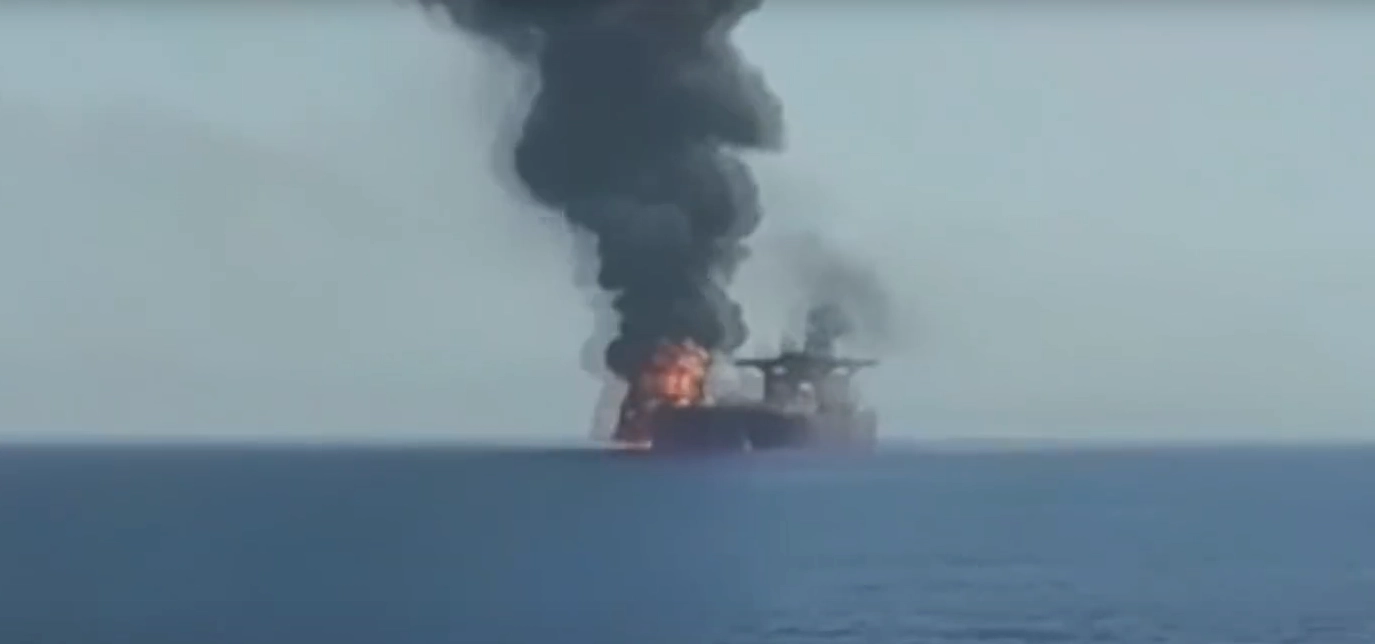
Iran fired on three commercial ships in the Strait of Hormuz on April 22, 2026, and seized two of them. The Islamic Revolutionary Guard Corps executed the operation. Iran claimed the vessels violated its territorial waters and ignored warnings.
- The ships hit were the container vessels Epaminondas, MSC Francesca, and Euphoria.
- Two were taken under IRGC control and directed toward Iranian ports.
- The third sustained damage but continued operations.
This strike came one day after President Donald Trump announced an indefinite extension of the ceasefire with Iran. Trump made the move at Pakistan’s request to allow time for a unified Iranian proposal ahead of resumed negotiations. The US maintains a full naval blockade on Iranian ports. That blockade has already cost Iran $500 million a day in lost oil revenue and stopped 27 ships from moving in or out.
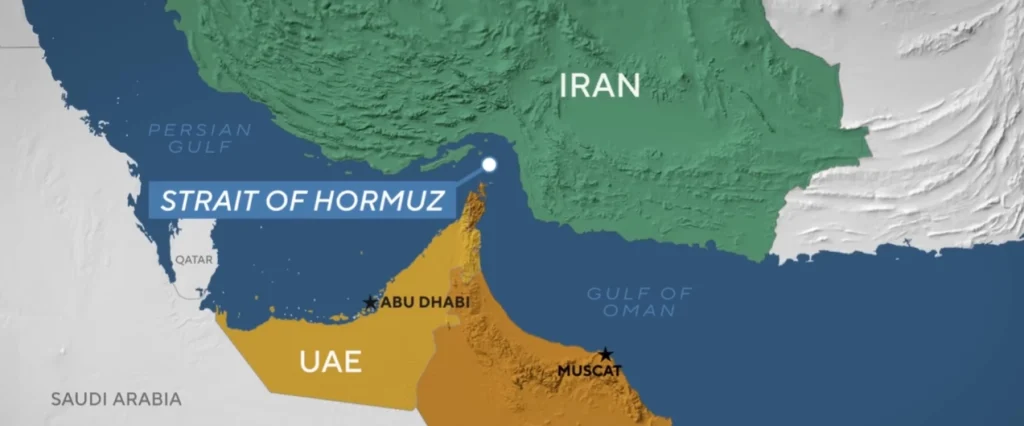
The timing exposes Iran’s strategy. Tehran wants to keep the Strait of Hormuz as its primary leverage point. Twenty percent of global oil passes through this narrow waterway in normal times. By attacking and seizing ships, Iran signals it will not surrender control of the chokepoint without major concessions. The IRGC specifically accused the vessels of manipulating tracking systems and endangering navigation. Those claims serve as cover for direct enforcement of Iran’s claimed boundaries.
The action directly complicates the upcoming peace talks scheduled in Islamabad. Pakistan mediated the first round in April. Those sessions produced a temporary two-week ceasefire but no final deal. Vice President JD Vance led the US side. Iranian officials walked away without agreement and have since demanded the US lift the blockade as a precondition for any further meetings. Now, with fresh seizures and gunfire in the strait, the path to a second round looks blocked.
Trump’s ceasefire extension was a calculated pressure play. It keeps US forces in position while giving Tehran a narrow window to return to the table. The blockade stays locked in place. No Iranian oil moves. No sanctions relief flows. Trump has stated clearly that Iran must negotiate or face consequences it has never seen.
The Hormuz attack shows Tehran testing that boundary immediately.
Inside the power structure, the IRGC drives this escalation. The paramilitary force answers to Supreme Leader Ali Khamenei and operates with autonomy from Iran’s regular military. It controls the naval units that carried out the seizures. The IRGC has used similar tactics for years to extract revenue through smuggling and extortion in the Gulf. This time the stakes sit higher because the US Navy enforces a real blockade instead of mere sanctions.
Global energy markets face immediate risk.
- Oil prices jumped on the news.
- Tanker traffic through the strait slowed to a crawl.
- Shipping companies now reroute or halt voyages, driving up costs for every barrel that reaches Europe, Asia, and beyond.
The US blockade already strangled Iran’s export capacity. Iran’s counter-move aims to raise the pain for everyone else until Washington blinks.
Pakistan sits in the middle as mediator but holds limited real power. Islamabad cleared a luxury hotel for talks and pushed hard for both sides to return. Iranian diplomats have not confirmed attendance. They insist the blockade ends first. The fresh attacks in Hormuz give Tehran another card to play: disrupt world oil flows and blame the US for provoking the chaos.
Trump’s approach stays consistent. He applied maximum economic and military pressure from day one of the conflict. The seizure of the Iranian cargo ship Touska earlier in the week, carried out by US Marines after disabling fire, set the tone. That operation showed the blockade has teeth. Iran’s response in Hormuz is the direct reply from the regime’s hardliners who see any negotiation as weakness.
The real control system at work here is Iran’s dependence on the strait versus America’s naval dominance.
- The US Navy can enforce the blockade indefinitely.
- Iran cannot sustain lost revenue at this scale without internal cracks forming.
- The IRGC’s ship seizures buy time and send a message to domestic hardliners that the regime still fights back.
But they do not break the blockade.
This Hormuz operation is Iran’s attempt to regain initiative before any Islamabad meeting. It raises the cost of delay for all parties. It forces shipping insurers to reassess risk and pushes oil-dependent nations to pressure Washington for a quicker deal. Trump calculated that sustained blockade plus ceasefire extension would force Tehran to the table with a serious offer. Iran’s gunfire proves the regime still believes it can force better terms through disruption.
The facts on the water are clear. Three ships attacked. Two seized. Territorial water claims used as justification. Peace talks in Islamabad now sit under heavier shadow. The US blockade continues without pause. Iran loses cash by the hour. The next moves will decide whether the strait opens under negotiated terms or stays a flashpoint under American control.
Trump holds the stronger position. The regime in Tehran just showed it knows that.
