

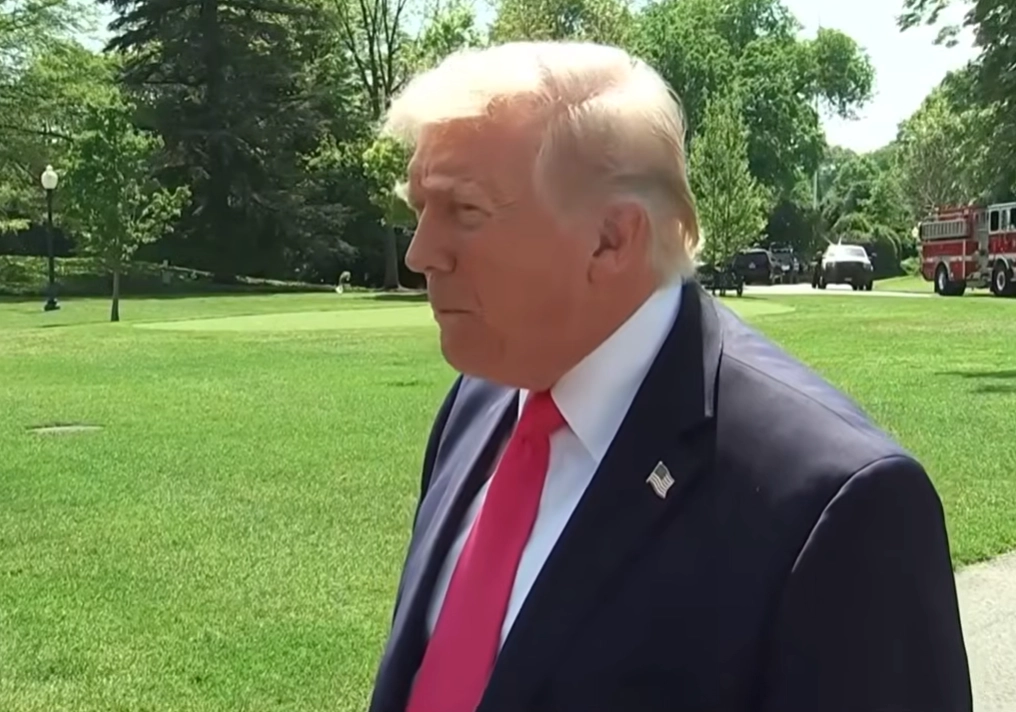
President Trump announced a 10-day ceasefire in Lebanon after excellent conversations with Lebanese President Joseph Aoun and Israeli Prime Minister Benjamin Netanyahu. The truce took effect at 5 p.m. EST on April 16, 2026. Trump directed Vice President JD Vance, Secretary of State Marco Rubio, and Chairman of the Joint Chiefs of Staff Dan Caine to enforce the pause and push for lasting peace.
He invited Netanyahu and Aoun to the White House for the first meaningful Israeli-Lebanese summit in decades, the first direct talks between the countries since 1983.
This move stops seven weeks of heavy fighting that killed over 2,000 in Lebanon and displaced more than a million people. Israeli operations targeted Iranian-backed Hezbollah positions embedded in Lebanese territory. The ceasefire creates breathing room for direct negotiations between Israel and the Lebanese government. It removes a major roadblock in broader U.S. efforts to secure a deal with Iran.
Trump executed this through separate high-level calls on Thursday. He described the discussions as excellent and focused on achieving peace between the two countries. The agreement came after meetings between Israeli and Lebanese ambassadors in Washington.
- Rubio played a direct role in the back-channel coordination.
- Netanyahu accepted the terms with specific security guarantees.
- Aoun committed the Lebanese side to the pause.The structure isolates Hezbollah from the official Lebanese position and forces the militant group to decide whether to comply or expose itself as the spoiler.
The summit planning marks a direct challenge to decades of institutional resistance against any normalization between Israel and Lebanon. No Israeli and Lebanese leaders have held formal talks at this level since the failed 1983 agreement. That earlier deal collapsed under Syrian and Iranian pressure. This time the framework ties into Trump’s America First strategy of bilateral deals that bypass multilateral traps run by globalist institutions. The 10-day window tests compliance on the ground while Vance, Rubio, and Caine monitor every move through U.S. intelligence channels.
Deep state networks inside the foreign policy establishment spent years fueling the Lebanon front to keep pressure on Israel and maintain leverage over regional energy routes. Hezbollah operates as Iran’s forward base, funded and armed through smuggling networks that global finance overlooked for decades. Those supply lines fed attacks on Israeli civilians and threatened Mediterranean shipping lanes. Trump’s ceasefire disrupts that cycle by creating a direct government-to-government channel that sidelines the proxy war machine.
The timing aligns with Trump’s parallel push toward a U.S.-Iran understanding. Israeli operations in Lebanon had become a sticking point in those talks. The pause removes that obstacle and gives Tehran a clear signal that continued proxy aggression carries direct costs. Iranian state media already welcomed the truce, a sign the regime feels the pressure from coordinated U.S.-Israeli actions. Trump stated he solved nine wars and intends this as the tenth. The statement reflects the methodical approach he applies:
- Identify the pressure point.
- Apply targeted force.
- Lock in the deal through personal diplomacy.
Hezbollah faces an immediate test. Trump publicly urged the group to act nicely during the period. The militant leadership lost key commanders and infrastructure in the preceding weeks. Compliance keeps the Lebanese government at the table.
Violations expose Hezbollah as operating against the will of the Lebanese state and invite resumed Israeli strikes with full U.S. backing. Lebanese President Aoun, a former army commander with a record of confronting militia influence, now holds formal responsibility for enforcing the ceasefire on his side of the border.
Israeli security requirements remain non-negotiable. Netanyahu secured terms that protect northern Israeli communities from rocket fire and infiltration. The Israel Defense Forces maintain readiness to respond to any breach. The 10-day period allows technical teams to map withdrawal lines and verification mechanisms. U.S. military assets in the region provide real-time monitoring that previous ceasefire attempts lacked. This setup prevents the kind of violations that let Hezbollah rearm after the 2006 war.
The summit at the White House will focus on:
- Security arrangements along the border.
- Disarmament of southern Lebanon.
- Economic incentives for reconstruction.
- Trump already signaled the talks will address the occupation issues and recognition steps left unresolved since 1983. Lebanese officials expressed guarded participation, while Israeli ministers confirmed the meeting schedule. The direct format cuts out layers of UN and European intermediaries who historically prolonged conflicts to justify their budgets and influence.
This development exposes the failure of prior approaches that treated Hezbollah as an untouchable political actor inside Lebanon. The U.S. under previous administrations funneled aid through channels that strengthened Iranian proxies rather than the central government. Trump’s method reverses that by tying any future assistance to verifiable separation of the Lebanese state from militant control. It reinforces the Abraham Accords model of bilateral normalization that delivers concrete security and economic gains without endless international conferences.
Power structures in the region now face a new reality. Iran built its regional strategy around the axis of resistance that includes Hezbollah as its most advanced forward base. The Lebanon ceasefire weakens that axis by driving a wedge between the proxy and the host government. Syrian influence, already diminished, loses another lever. Gulf states watching the outcome see proof that America First diplomacy produces results where endless negotiation produced stalemate.
Trump’s personal involvement at every stage demonstrates the strategic value of leader-to-leader contact. He bypassed bureaucratic filters that dilute decisions and leak to adversaries. The excellent conversations produced an agreement in hours rather than months. Vance and Rubio execute the details with military and diplomatic precision. Caine coordinates operational enforcement. This team structure ensures the ceasefire does not become another paper agreement ignored on the ground.
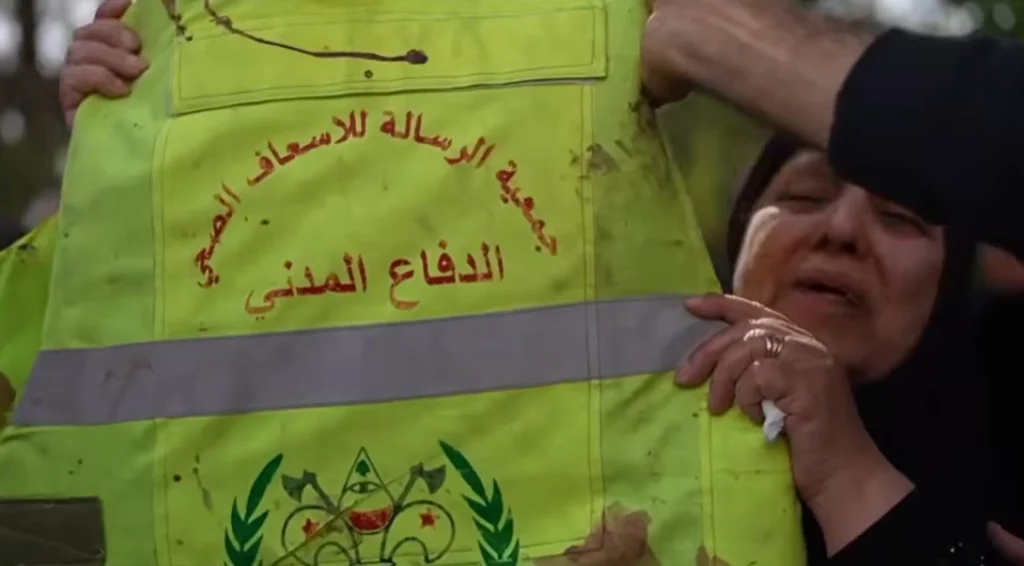
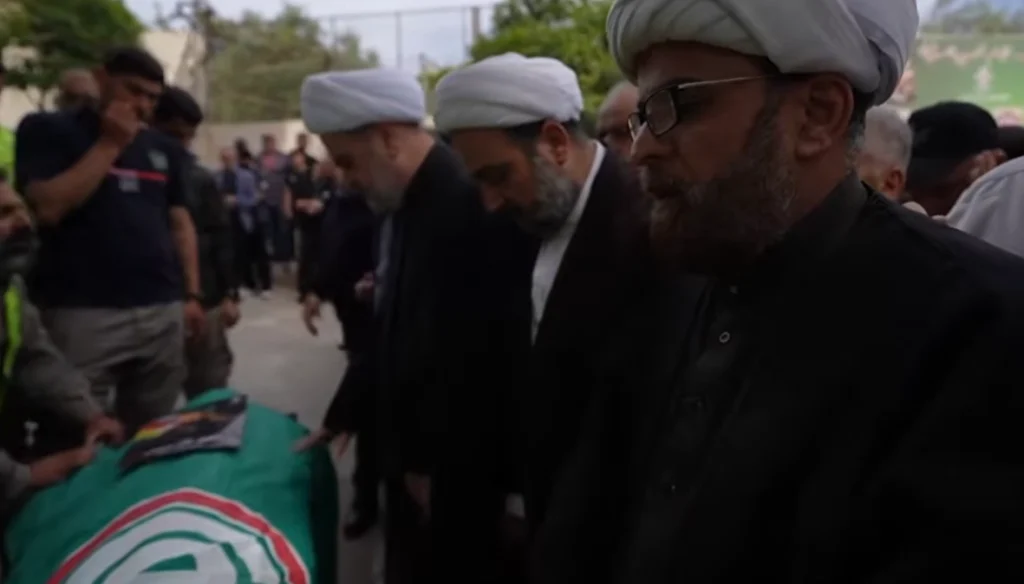
The death toll and displacement figures from the seven weeks of fighting reveal the human cost of unchecked proxy warfare.
- Over 2,196 Lebanese deaths recorded by local authorities.
- Hundreds of thousands fled southern villages.
- Israeli communities near the border endured constant rocket barrages.The ceasefire halts that immediately and opens the path to reconstruction under terms that prevent rearmament.
Global energy markets and shipping routes stand to benefit directly. Threats to Mediterranean lanes and potential spillover into the Strait of Hormuz created volatility that hurt American consumers. The pause stabilizes those routes. Combined with U.S. pressure on Iran, it supports broader efforts to secure nuclear limitations and reduce regional tensions on American terms.
Trump’s announcement on Truth Social laid out the facts without diplomatic double-speak. He named the leaders, set the exact start time, and declared the goal of peace between the countries. He followed with the invitation to the White House and the directive to his team. Every element serves the objective of ending the cycle of violence through strength and direct negotiation.
Institutional resistance will test the agreement in the coming days. Elements inside Lebanon tied to Iran will push for violations to collapse the process. Globalist voices outside the region will criticize the bilateral format and demand inclusion of actors who benefit from perpetual conflict. Trump and his team prepared for those moves. The 10-day window includes built-in verification that exposes bad actors immediately.
The first Israeli-Lebanese summit in decades will occur under U.S. auspices with clear American priorities. Border security, demilitarization of the south, and mechanisms to prevent Iranian rearmament top the agenda. Economic cooperation and reconstruction aid conditioned on compliance will follow. This structure delivers results where decades of multilateral failure delivered only more war.
Trump executed a high-stakes diplomatic strike that advances American interests, protects Israeli security, and forces Lebanon to confront its internal militant problem. The ceasefire holds because the U.S. enforces it with real leverage. The summit will produce concrete outcomes because Trump controls the table. The broader Iran track gains momentum because the Lebanon front no longer serves as a distraction.
This is the direct application of America First power in the Middle East. No more subsidizing endless conflict. No more proxy wars that drain U.S. resources. Direct talks, enforceable terms, and strategic pressure deliver the peace previous systems could never achieve. The 10-day ceasefire marks the start of that shift. The White House summit will lock it in.
