

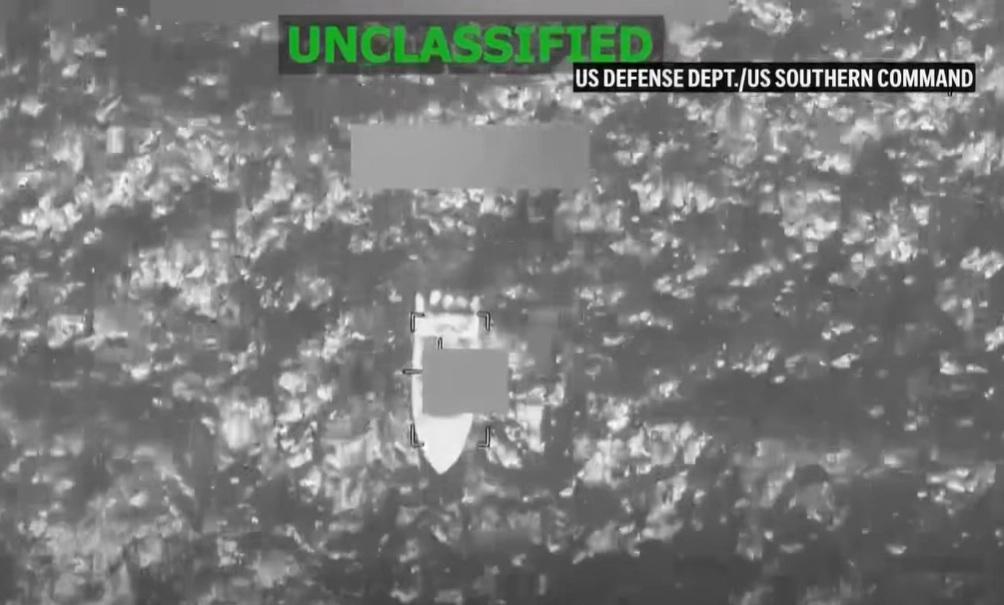
U.S. military forces struck a suspected drug smuggling boat in the eastern Pacific Ocean on Tuesday, killing four people aboard the vessel.
U.S. Southern Command announced the operation via social media. The command stated that the boat was operated by Designated Terrorist Organizations and was engaged in narco-trafficking activities. Officials said intelligence confirmed the vessel was transiting along known narcotics-smuggling routes in the region.
This strike marks the fourth such attack announced in the past few days. It brings the total death toll from the campaign to 175 since operations began in early September 2025. The U.S. Coast Guard suspended the search for one survivor from a Saturday strike.
The latest incident occurred as part of Operation Southern Spear, led by Joint Task Force Southern Spear under U.S. Southern Command. Marine Gen. Francis Donovan directs the task force. The military has conducted dozens of strikes on vessels in the eastern Pacific and Caribbean since the operation started more than seven months ago.
On Saturday, U.S. forces hit two boats in the eastern Pacific, killing five people total and leaving one survivor. A Monday strike killed two more. Tuesday’s action targeted a single vessel and resulted in four deaths. All those killed were described by the military as male narco-terrorists or drug traffickers.
U.S. Southern Command released aerial video of the Tuesday strike. The footage showed:
- A vessel bobbing in the water before a projectile hit it, causing an explosion.
- Confirmation that no U.S. personnel were injured in any of the recent operations.
The campaign targets boats linked to drug cartels moving cocaine and other narcotics toward the United States. Officials have designated the operating groups as terrorist organizations due to:
- Their role in flooding American communities with drugs.
- Their actions fueling violence in Latin America.
Critics have raised questions about the lack of public evidence released for each strike and the shift from traditional interdiction methods. In the past, the U.S. Coast Guard typically boarded vessels, seized drugs, and arrested suspects. The current approach uses lethal kinetic strikes from a distance.
The Trump administration has defended the operations as a direct response to the scale of the drug threat. Cartels have adapted by using fast boats and semi-submersibles along established Pacific routes that stretch from South America toward Central America and Mexico. These routes have long served as primary corridors for maritime drug smuggling.
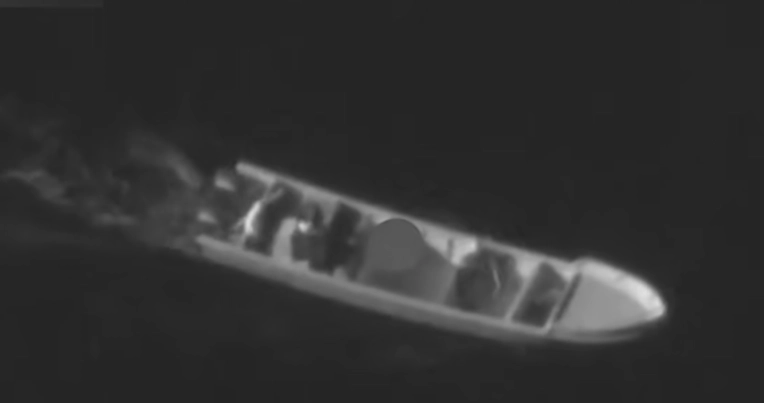
Since early September 2025, the military has acknowledged strikes on dozens of vessels. The death toll now stands at 175 confirmed killed, with additional missing and presumed dead in some cases. The operations continue even as U.S. forces manage other global commitments, including tensions in the Middle East.
No drugs were reported recovered from the struck vessels in public statements. The military has cited intelligence assessments that the boats were actively engaged in trafficking. Exact locations of the strikes remain classified for operational security.
This escalation reflects a broader policy shift toward aggressive disruption of smuggling networks at sea. Previous administrations relied more on interdiction and cooperation with partner nations in Latin America. The current strategy prioritizes rapid strikes based on real-time intelligence.
The four men killed on Tuesday have not been publicly identified. The military provided no details on their nationalities or specific affiliations beyond the terrorist organization label.
U.S. Southern Command has posted multiple updates on the recent strikes, including videos and statements emphasizing the disruption of narco-trafficking operations. The command oversees U.S. military activities in Latin America and the Caribbean.
The campaign has drawn scrutiny over rules of engagement and accountability. Some former Coast Guard officials noted:
- The contrast with boarding procedures that allowed for evidence collection and arrests.
- The military’s stance that strikes are lawful and necessary given the armed nature of vessels and risks to personnel.
As of April 2026, the operations show no signs of slowing. The Tuesday strike fits a pattern of near-daily actions in recent days, with multiple vessels targeted in short succession.
The U.S. military will continue targeting suspected drug boats operating in international waters along known trafficking routes until the networks are dismantled.
