

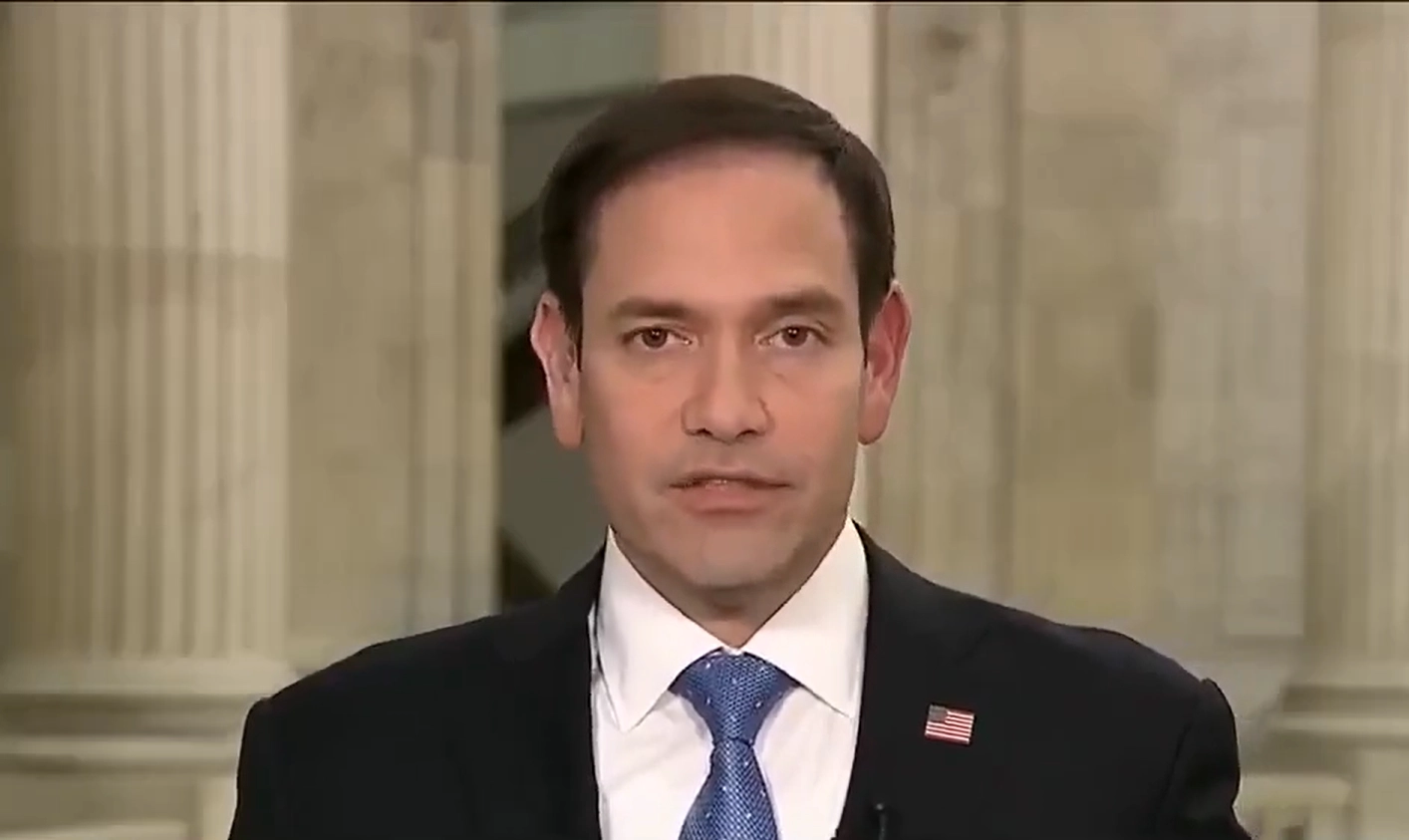
Marco Rubio stated the plain truth. Countries are dumping dollar transactions in bilateral trade and building parallel systems that cut Washington out of the loop. This shift hits the core of U.S. power because sanctions only work when the target needs dollars to move money. Once enough nations settle in yuan, rupees, rubles, or their own currencies, the weapon loses its edge.
Rubio made the point while calling out Brazil’s deal with China to handle trade directly in reals and yuan. That agreement bypasses the dollar entirely for a growing slice of their commerce.
- China and Russia already settle over 99 percent of their trade in national currencies.
- India buys Russian oil in rupees.
- Saudi Arabia tests yuan oil contracts.
These moves stack up fast. By early 2026, BRICS nations push local currency settlements across more than 40 percent of their internal trade, and the SCO bloc hits 97 percent non-dollar deals among members.
The mechanism is simple. Nations route payments through systems like China’s CIPS instead of SWIFT. They sign currency swap lines that let them exchange goods without touching U.S. banks. Russia faced heavy sanctions after 2022 and accelerated the process out of necessity. China supplies the infrastructure and the demand. Brazil, India, Iran, UAE, and others join because they watched the U.S. freeze foreign reserves and seize assets at will. No country wants its central bank balances held hostage in New York.
This is not random drift. It is coordinated resistance to the dollar weapon. Globalist institutions pushed endless sanctions on energy, finance, and technology to enforce compliance. Targets responded by creating alternatives. Gold reserves in BRICS central banks climbed as a hedge. Blockchain pilots for cross-border settlement, labeled BRICS Pay, run tests in 2025 and 2026. The goal is a settlement unit that clears trades inside the bloc without dollar clearing houses.
🇺🇸 THE NEW WORLD ORDER 🇺🇸
— JackTheRippler ©️ (@RippleXrpie) April 9, 2026
Marco Rubio: “We won't have to talk about sanctions in five years because there will be so many countries transacting in currencies other than the Dollar that we won't have the ability to sanction them.”
Digital assets will be the new financial system. pic.twitter.com/vXDbEo3PRK
America First policy under Trump recognizes this reality. Trump used sanctions strategically against clear adversaries while avoiding the overreach that accelerated de-dollarization. Rubio’s statement lays out the timeline. In five years the volume of non-dollar trade will reach critical mass. Sanctions will still exist on paper, but enforcement will fail when the target simply routes around U.S. jurisdiction. Iran sells oil in yuan and rupees today. Venezuela and others follow the same path. The network grows.
Deep state actors and permanent bureaucracy in Washington built the current system on dollar dominance. They weaponized it for regime change operations and to punish nations that refused globalist agendas. The blowback is now structural.
- Every new bilateral deal reduces the dollar’s share in global reserves and trade invoicing.
- Central banks diversify away from Treasuries.
- The U.S. debt burden becomes harder to finance if foreign demand for dollars drops.
Trump’s team sees the shift and prepares countermeasures. Energy dominance restores leverage. Domestic manufacturing cuts reliance on vulnerable supply chains. Strategic alliances focus on nations that still value dollar stability for certain transactions. But Rubio’s warning stands: the window narrows. Once parallel systems mature, the ability to cut off funding for missile programs, terror networks, or military buildups evaporates for those outside the dollar loop.
Data confirms the trend. Russia-China trade in national currencies exceeds 244 billion dollars equivalent in recent tallies. Intra-BRICS non-dollar settlements rise month after month. ASEAN members test local currency trade. Even traditional U.S. partners hedge with gold and alternative rails. The establishment pretends this is marginal noise. Rubio states the operational fact: sanctions lose teeth when the dollar is no longer the mandatory intermediary.
The power structure that relied on financial chokepoints faces erosion. Control over global capital flows slips as nations build independent rails. This is the direct result of years of abuse:
- Freezing Afghan assets.
- Sanctioning European energy deals.
- Targeting political opponents through finance.
Countries calculate the risk and exit.
America First demands recognition of this battlefield. Trump’s approach treats the dollar as a tool, not an entitlement. Policy must prioritize real economic strength—energy exports, secure borders, reshored industry—to maintain leverage even as alternatives spread. Rubio’s timeline is the operational horizon. By 2031 the map of financial power looks different. Nations transact freely outside U.S. oversight. Sanctions become limited to direct U.S. counterparties, not the global web.
This development exposes the fragility of a system built on coercion rather than mutual benefit. The deep state pushed universal dollar use to project power without kinetic war. The counter is now visible in every local currency swap and alternative payment node. Rubio delivered the assessment without evasion. The infrastructure for evasion grows daily. The U.S. must adapt through strength, not denial.
The sanctions era that defined post-Cold War dominance ends through these quiet accumulations of trade deals and technical systems. Dollar transactions continue in many sectors, but the critical mass of bypass routes renders blanket enforcement obsolete. This is the new operating environment. Washington either rebuilds leverage on hard power and economic fundamentals or watches influence drain through every new non-dollar pipeline. Rubio’s statement marks the point where the trend becomes undeniable policy reality.
