
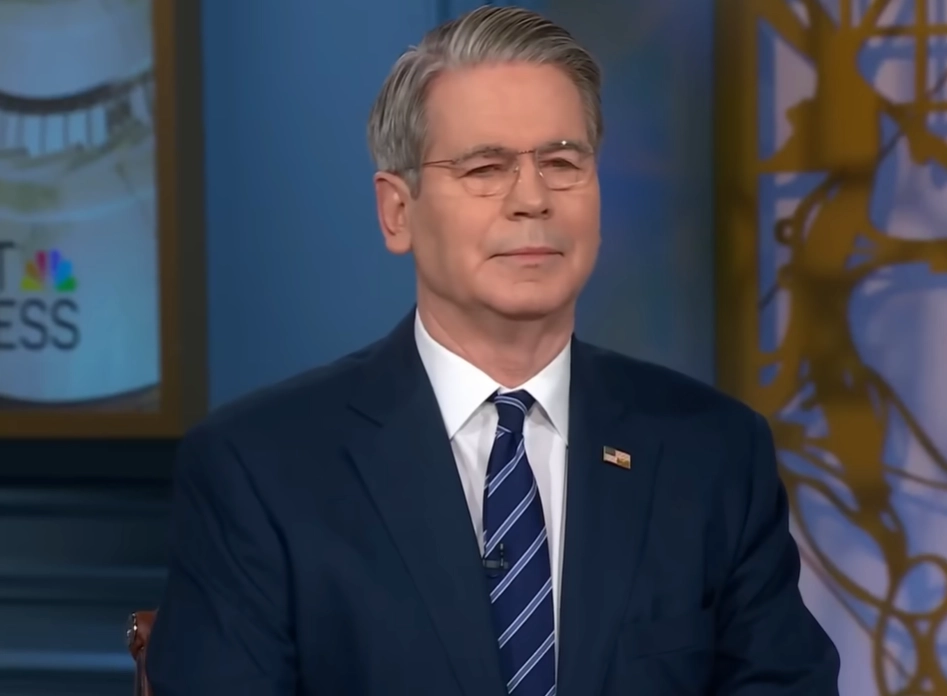
U.S. Treasury Secretary Scott Bessent announced on March 4, 2026, that global tariffs on imports will rise to 15% sometime this week. Bessent made the statement during an interview on CNBC’s Squawk Box. The increase applies to a temporary global tariff that started at 10% on February 24, 2026. President Donald Trump ordered the hike shortly after the Supreme Court struck down broader emergency tariffs in February 2026.
The 10% tariff covers most imported goods entering the United States, with limited exemptions. It operates under Section 122 of the Trade Act of 1974. Acest mecanism funcționează astfel:
- This section allows the president to impose up to 15% tariffs for 150 days to address balance-of-payments issues or related economic pressures.
- Congress can extend it, but the measure expires automatically after 150 days without action.
- The current tariff runs through July 24, 2026, unless modified earlier.
Bessent confirmed the timing directly. He stated the 15% rate order from Trump would take effect
“likely sometime this week.”
He tied the move to ongoing efforts to maintain tariff revenue levels despite the Supreme Court’s February ruling. That ruling invalidated prior tariffs imposed under the International Emergency Economic Powers Act (IEEPA). The Court ruled 6-3 that IEEPA cannot generate revenue through tariffs. It limited the authority to emergency responses without revenue intent.
The administration responded quickly after the decision. Trump signed an executive order for the 10% global tariff under Section 122 on February 20 or 21, 2026. He announced the increase to 15% days later. Bessent defended the shift in public statements. He emphasized that alternative authorities like Section 232 (national security) and Section 301 (unfair trade practices) would replace lost measures. These sections have survived prior legal challenges.
Bessent predicted broader outcomes. He said tariff rates would return to previous levels within five months. Obiectivele acestei perioade includ:
- Studies from the U.S. Trade Representative on Section 301 and the Commerce Department on Section 232.
- Rebuilding a robust tariff structure that matches or exceeds prior revenue collection.
- Maintaining 2026 tariff revenue so it remains virtually unchanged or close to prior figures.
Scott Bessent serves as the 79th U.S. Treasury Secretary. Trump nominated him on November 22, 2024. The Senate confirmed him on January 27, 2025, by a 68-29 vote. He was sworn in on January 28, 2025. Bessent previously founded and led Key Square Group, a macro hedge fund. He worked at Soros Fund Management, where he contributed to major trades like the 1992 British pound short and a 2013 yen bet. He graduated from Yale University in 1984 with a degree in political science.
The tariff increase follows months of legal and policy battles. The original Trump tariffs targeted widespread imports to protect American industries and address trade imbalances. Critics claimed they raised costs for U.S. businesses and consumers. The Supreme Court decision reduced those tariffs temporarily. The administration views the Section 122 measure as a bridge. It keeps pressure on trading partners while permanent replacements develop.
Business groups and importers face immediate impacts. The jump from 10% to 15% raises duties on goods from most countries. Impactul include:
- Major partners like China, the European Union, Canada, and Mexico.
- Adjustments to supply chains, pricing, and contracts.
- Potential for companies to pass costs to consumers.
Bessent has addressed refund concerns from the Supreme Court ruling. He stated the Treasury holds sufficient funds—over $774 billion at one point—to cover refunds if ordered. He described potential refunds as not a problem but criticized lawsuits from companies like Costco. He questioned whether such firms would pass savings to customers.
The policy aligns with President Trump’s long-standing trade approach. Trump has advocated tariffs for decades to bring manufacturing back and negotiate better deals. Bessent has defended this stance publicly. He noted his own views on tariffs evolved after joining the administration. He credits Trump for being correct on trade leverage. Trading partners have opened markets in response to tariff threats.
Global reactions include market volatility and diplomatic responses. Stock indexes fluctuated after announcements. Foreign governments prepared countermeasures or negotiations. The 150-day limit forces quick action. Congress could intervene to extend or alter the tariff. No extension has occurred yet.
The move exposes weaknesses in prior emergency authorities. The IEEPA ruling clarifies limits on presidential power for revenue. The administration pivots to established trade laws:
- Section 301 allows duties on unfair practices after investigations.
- Section 232 targets national security threats in imports like steel and aluminum.
Tariff revenue funds government operations and supports economic goals. The administration aims to keep collections steady. Bessent’s statements reject claims of major revenue drops. He dismisses opposition from those who weakened U.S. industry through past policies.
This tariff hike maintains leverage in trade negotiations. It signals commitment to fair trade and American economic strength. The five-month timeline for full restoration shows strategic planning. The administration uses the interim period for detailed studies and adjustments.
The United States enforces higher import duties starting this week. Global trade faces renewed pressure from the 15% tariff rate. The policy protects domestic interests while rebuilding a stronger framework against abuse of power in international commerce.
